 Save to Pinterest
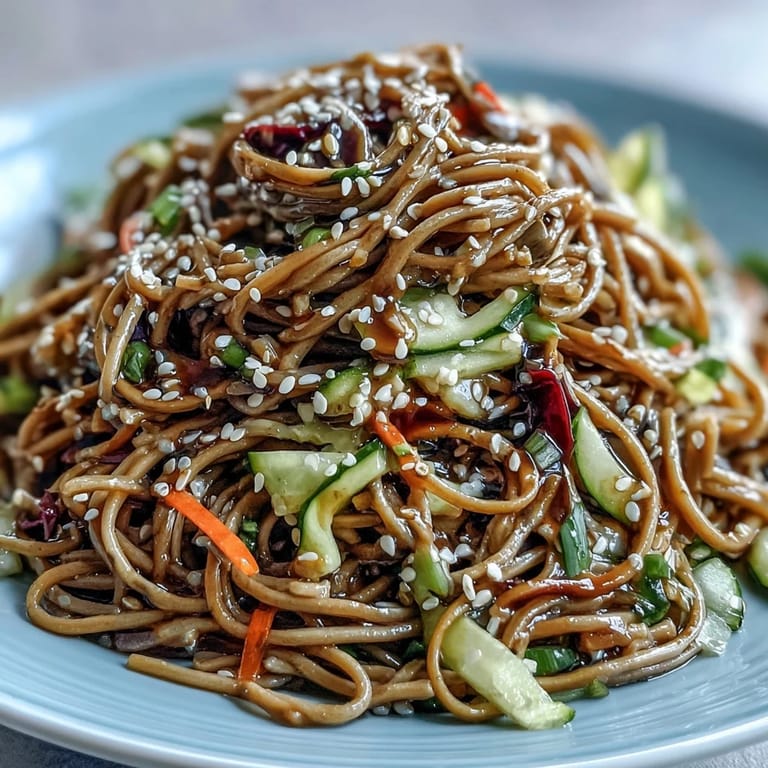
 Sometimes when the kitchen is already humming with summer heat, I crave something cool that brings a little zing to my plate. The first time I stumbled upon cold soba noodle salad, I'd just come back from an afternoon at the farmers market, arms full of fresh, crunchy vegetables, and my mind set on a dinner that wouldn't require turning on the oven. The scent of toasted sesame oil swirling through the dressing instantly promised excitement. As I tossed everything together, every bright color seemed to defy the sticky weather outside. By the first bite, I was sold—this salad is as much about refreshment as flavor.
Last spring, I made this salad for my friends before we sat out on the porch to watch the sunset, each of us clutching cold bowls in one hand and icy drinks in the other. The chopping became a group project, and by the end, everyone started suggesting their own add-ins and sprinkle-ons, making it as rowdy as a salad night can be.
Ingredients
- Soba Noodles: Look for pure buckwheat noodles for a nuttier flavor and gluten-free option; don't overcook them or they’ll turn mushy.
- Cucumber: The cooling crunch cuts through any richness—julienne for the best texture.
- Carrot: Adds color and gentle sweetness; a little patience with the julienne pays off in looks.
- Red Bell Pepper: Brightens the dish visually and with a sweet, mild bite.
- Green Onions: Sprinkle them in last to keep that fresh oniony spark.
- Red Cabbage: For a crisp bite and bold color; slice thin to keep the salad light.
- Toasted Sesame Seeds: I always toast a little extra to use for garnish and to amplify the nutty aroma.
- Soy Sauce: Forms the salty backbone of the dressing; I sometimes swap for tamari for gluten-free friends.
- Rice Vinegar: A little tang brings everything into balance; don’t overdo it.
- Toasted Sesame Oil: This is the magic ingredient for a savory, roasty depth—just a drizzle transforms the whole salad.
- Honey or Maple Syrup: Sweetens up the punchy ginger and garlic; maple syrup is great here for a vegan twist.
- Fresh Ginger: Go for finely grated; you want flavor, not a fibrous bite.
- Garlic: One clove is enough—mince well to avoid big surprises in a mouthful.
- Tahini or Peanut Butter (optional): For creaminess and body in the dressing; a little goes a long way.
- Sriracha or Chili Sauce (optional): For those who want a kick—taste before you add more!
- Fresh Cilantro: Roughly chopped or left as sprigs, it makes everything taste like a fresh day.
- Lime Wedges: Squeeze right before eating for extra brightness—totally optional but so worth it.
Tired of Takeout? 🥡
Get 10 meals you can make faster than delivery arrives. Seriously.
One email. No spam. Unsubscribe anytime.
Instructions
- Cook and Chill the Soba:
- Boil soba noodles as directed, then rinse under cold water until any starchiness is gone and they're cool to the touch; this keeps them delightfully springy for the salad.
- Whisk Up the Dressing:
- Combine soy sauce, rice vinegar, sesame oil, honey or maple, ginger, garlic, and your creamy and spicy options if using—whisk until glossy and smooth, taste and tweak as needed.
- Assemble the Salad:
- Add the cooked noodles to a big bowl with the cucumber, carrot, red pepper, green onions, red cabbage, and sesame seeds; toss lightly so everything mingles but nothing gets squished.
- Toss with Dressing:
- Pour the dressing all over and toss again so the noodles pick up all that flavor and the vegetables shine; don’t rush this step, enjoy the colors coming together.
- Finish and Serve:
- Divide into servings, then top with extra sesame seeds, a handful of cilantro, and a squeeze of lime—serve chilled or let warm a few minutes on the counter before digging in.
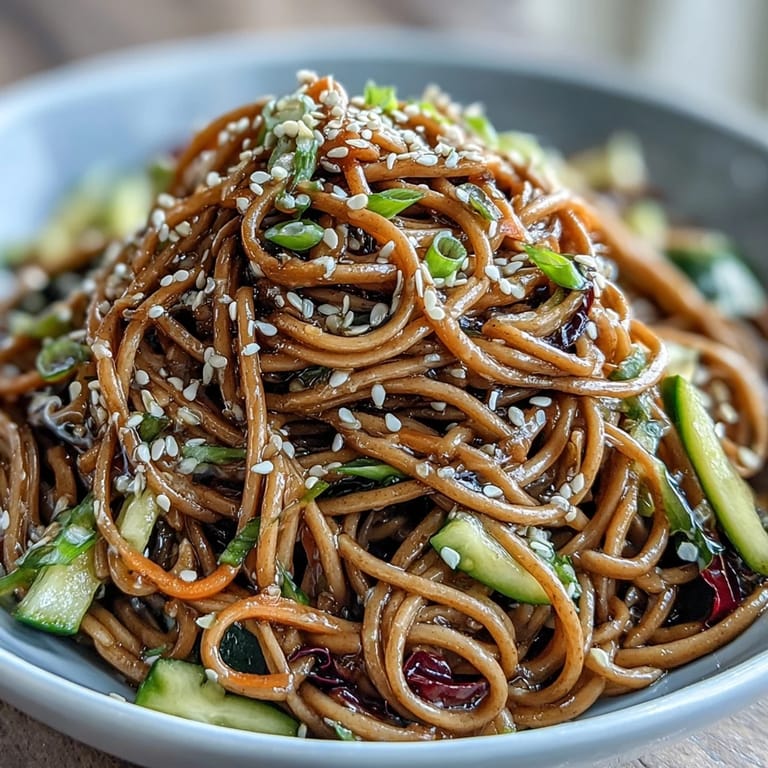 Save to Pinterest
 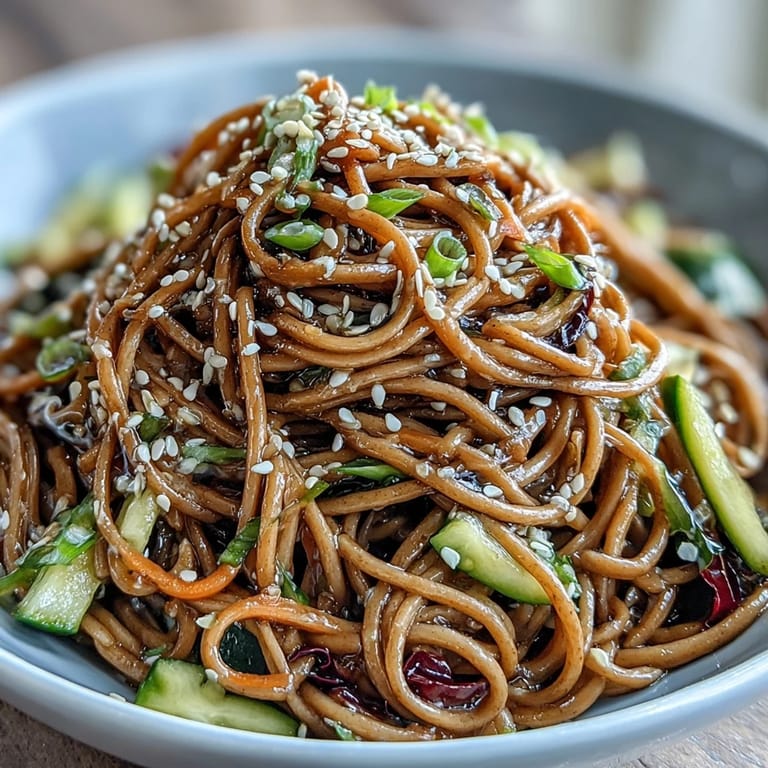 Save to Pinterest
 There was one mellow afternoon when I packed a container of this salad for a picnic; eating it under a shady tree, fingers sticky with dressing, made it taste so much brighter and somehow more special than any restaurant lunch.
Choosing the Best Soba Noodles
Over time, I’ve found that not all soba noodles are created equal—some are mostly wheat, some buckwheat, and the latter gives you that earthy, almost toasty vibe that stands up to bold dressings. Buying Japanese brands or reading labels makes the biggest difference for texture and flavor.
Customizing with Seasonal Veggies
One of the joys here is swapping in whatever’s vibrant at the market—sometimes it’s radish for extra bite, sometimes snap peas, occasionally even avocado for creaminess. No two batches have ever been exactly alike, which keeps things fun and a little unpredictable.
Keeping the Salad Fresh and Flavorful
If you prepare it in advance, hold off on adding dressing until closer to serving to avoid soggy vegetables. Always give everything a good toss right before eating—nothing’s worse than noodles and veggies that haven’t met their dressing.
- A handful of edamame or grilled tofu makes it a full meal.
- Leftovers keep well, but perk up the next day with a fresh lime squeeze.
- Don’t forget to taste for salt and spice before serving.
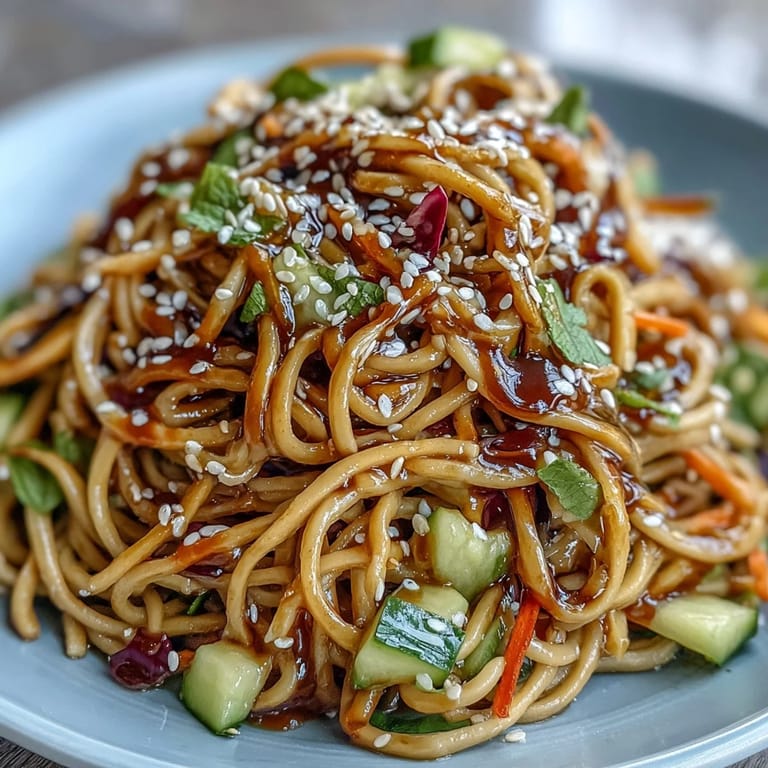 Save to Pinterest
 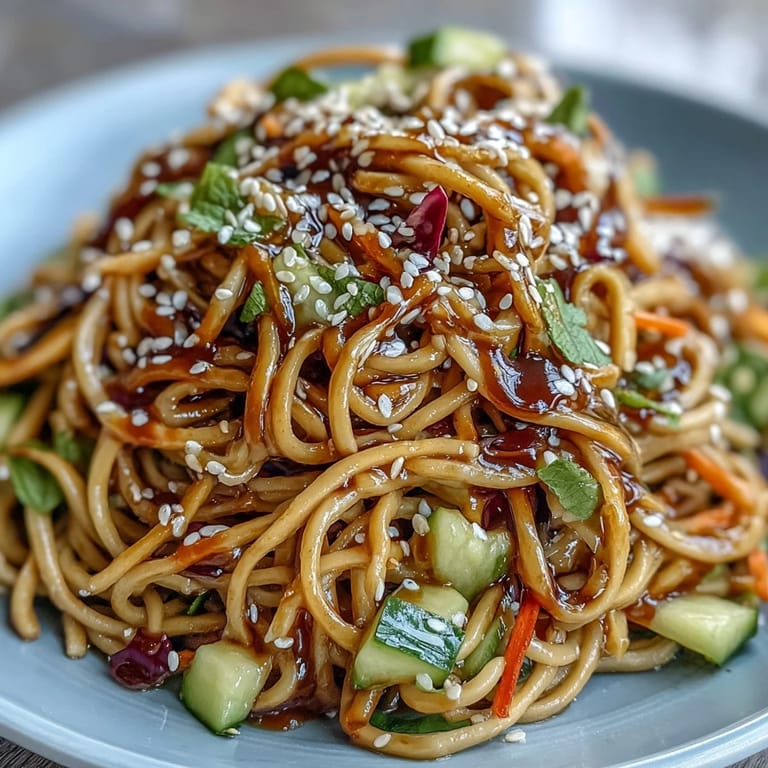 Save to Pinterest
 Whether for a solo summer lunch or the start of a lively picnic, this salad somehow always brightens the table and the mood. Sharing it just means an excuse to make it again soon.
Recipe FAQs
- → How do I keep the noodles from getting soggy?
Cook soba just until al dente, drain well and rinse thoroughly under cold water to stop cooking and remove starch. Toss with a little toasted sesame oil to separate strands before combining with vegetables and dressing.
- → Which soba is best for a gluten-free version?
Look for 100% buckwheat soba labeled gluten-free and use tamari or a certified gluten-free soy sauce. Check all labels for cross-contamination if you have a sensitivity.
- → Can I make the dressing ahead of time?
Yes. The sesame-ginger dressing keeps well in the fridge for up to a week. Rewhisk before using; if it thickens, thin with a little water or rice vinegar to reach desired consistency.
- → What proteins work well with this dish?
Grilled or pan-seared tofu, edamame, shredded chicken, or flaked salmon are great additions. Add warm proteins to cooled noodles to avoid wilting the vegetables.
- → How can I adjust the heat level?
Control heat by varying the sriracha or chili sauce in the dressing. Start with a small amount, taste, and increase gradually. You can also add chili flakes or a splash of chili oil for more kick.
- → Can I swap the vegetables?
Absolutely. Use seasonal produce like snap peas, radishes, cucumber ribbons, or avocado. Keep vegetables crisp and uniformly cut for the best texture and presentation.