 Save to Pinterest
 My sourdough starter has been living in my fridge for three years now, and one Saturday morning, I decided it was finally time to stop making just toast and tackle pizza dough. The smell of that bubbling starter mixed with fresh bread flour felt like opening a door I'd been nervous about. Turns out, the wait was worth it—this dough transforms into something magical with minimal effort and maximum flavor.
Last winter, I made these for a dinner party and my friend Sarah kept asking if I'd brought them from a wood-fired oven place downtown. When I admitted they were homemade, she looked genuinely shocked—and suddenly everyone wanted seconds. That moment taught me that good pizza dough isn't fancy or pretentious, it's just honest ingredients given time and respect.
Ingredients
- Bread flour (500 g): This has more protein than all-purpose flour, which builds structure and gives you that chewy-crispy balance; I learned the hard way that skipping it makes the crust collapse.
- Water (325 g): Room temperature water hydrates the flour evenly; cold water slows everything down, warm water risks killing your starter.
- Active sourdough starter (100 g): Make sure yours is fed and bubbly a few hours before mixing—a sleepy starter won't rise properly.
- Fine sea salt (12 g): Don't skip this; salt strengthens the gluten network and actually makes the flavor pop.
- Olive oil (15 g, optional): This softens the crumb slightly and adds richness, but traditional recipes skip it for a drier, crispier crust.
Tired of Takeout? 🥡
Get 10 meals you can make faster than delivery arrives. Seriously.
One email. No spam. Unsubscribe anytime.
Instructions
- Mix flour and water, then rest:
- Combine the bread flour and water in a bowl and let it sit for 30 minutes covered. This autolyse step lets the flour fully absorb moisture and develop gluten naturally, making the next mixing stage feel almost effortless.
- Bring the starter and salt into the party:
- Add your bubbly starter and salt (plus oil if you're using it) and mix by hand or with a stand mixer until everything comes together into a sticky, shaggy dough. Don't worry if it looks rough—that's exactly what you want.
- Knead or fold your way to smoothness:
- Either knead for 5–7 minutes until the dough becomes smooth and elastic, or use the stretch-and-fold technique every 30 minutes for 2 hours (4 folds total). I prefer folding because it builds strength gently without heating up the dough.
- Let it rise and get bubbly:
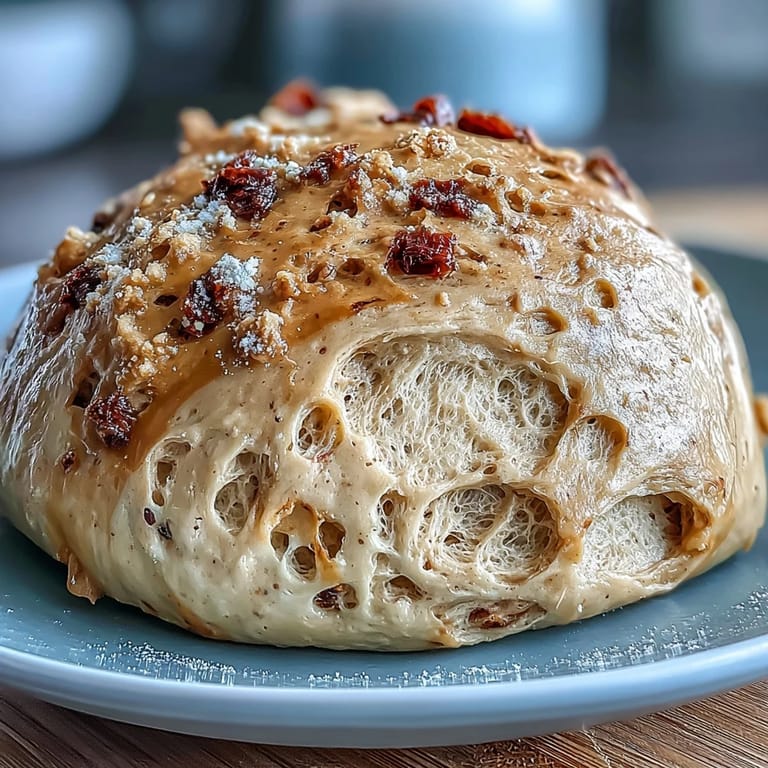
- Cover the bowl and leave it at room temperature for 6–8 hours until the dough has doubled and the surface is covered in bubbles. This is where the sourdough flavor develops, so don't rush it.
- Shape your future pizzas:
- Turn the dough onto a lightly floured surface and divide it in half. Shape each piece into a tight, smooth ball by pulling the edges toward the center and rotating it on the counter. This creates surface tension that helps the dough puff up in the oven.
- Let them rest or cold ferment:
- Place the dough balls on a tray, cover them, and rest at room temperature for 1–2 hours. Or, refrigerate them for up to 24 hours (even 48 hours is fine) for a deeper, more complex flavor—cold fermentation is my secret weapon.
- Heat your oven like you mean it:
- Preheat your oven as high as it will go (475–500°F ideally) with a pizza stone or steel inside. This radiant heat is what gives you that golden, crispy bottom and slightly charred edges.
- Stretch and top:
- Gently stretch each dough ball into a 12-inch round—use your fingertips and work from the center outward. Add your favorite toppings, being careful not to overload or the dough won't cook through.
- Bake until golden:
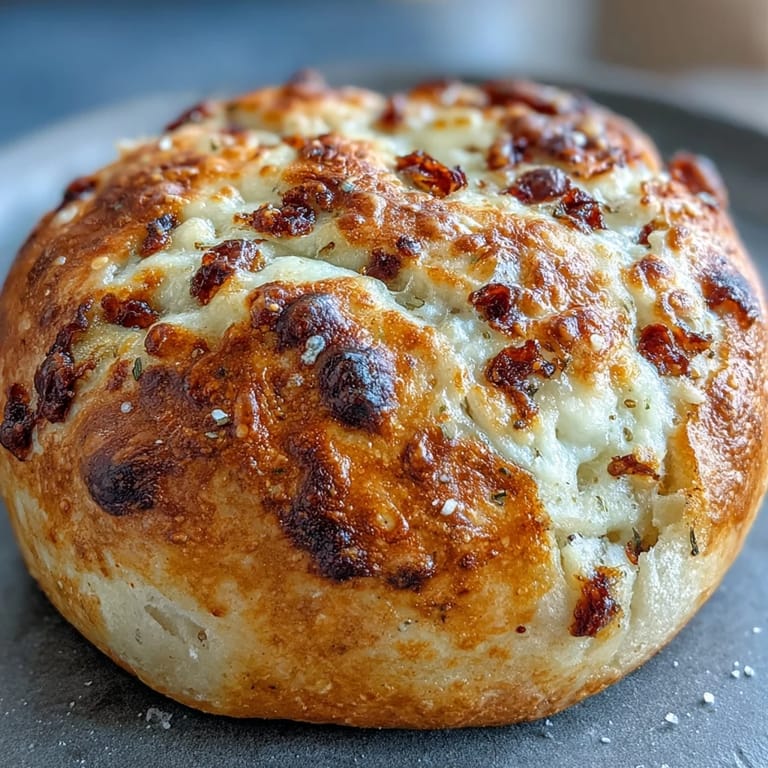
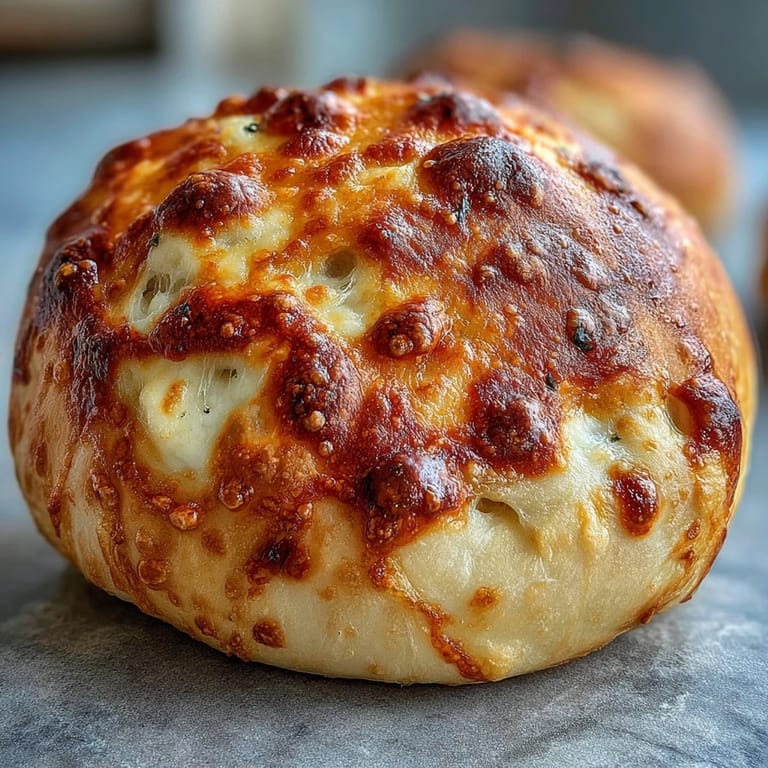
- Transfer to the hot stone or steel and bake for 10–15 minutes until the crust is puffed, golden, and the edges are crispy and slightly charred. The crust should sound hollow when you tap it.
 Save to Pinterest
 My neighbor knocked on the door while the second pizza was baking, drawn in by the smell. We ended up sharing that pie and a beer on my back porch, and I realized that homemade pizza has this rare ability to turn an ordinary evening into something people actually remember.
The Autolyse Step Changes Everything
That 30-minute rest where flour and water just sit together is the unsung hero of this recipe. I used to skip it because I was impatient, and the dough always felt sticky and difficult to work with. Once I committed to it, the whole process felt smoother—the flour hydrates evenly, gluten starts forming on its own, and the final dough becomes much easier to handle.
Why Cold Fermentation Is Worth the Wait
Baking the dough the day you make it produces a decent pizza, but cold fermentation is what separates amateur from intentional. The cold slows fermentation, allowing organic acids to develop and giving you that subtle tang you associate with real artisan pizza. I've gotten my best results leaving dough in the fridge for 24–48 hours, and it's liberating because you control when you actually bake, not the other way around.
Stretch, Don't Roll
Using a rolling pin will deflate all the work your dough did during fermentation. Instead, let gravity and your fingertips do the work—gently stretch from the center outward, rotate the dough, and let it rest between stretches if it's being stubborn. This preserves those beautiful air pockets that make the crust light and chewy rather than dense and doughy.
- If your dough tears, pinch it back together—a small tear won't ruin anything, and sourdough is forgiving.
- A pizza peel dusted with semolina or cornmeal makes sliding the dough onto the hot stone effortless and actually fun.
- Let cold dough come to room temperature for about 30 minutes before stretching; it'll be much more cooperative.
 Save to Pinterest
 This dough has taught me that good pizza isn't about fancy equipment or complicated techniques—it's about giving simple ingredients the time they deserve. Once you nail this, you'll stop thinking about delivery and start thinking about your next batch.
Recipe FAQs
- → Why use sourdough starter instead of commercial yeast?
Sourdough starter provides natural fermentation, enhancing flavor complexity and improving dough texture with a chewy and crisp finish.
- → What is the purpose of autolyse in the dough preparation?
Autolyse hydrates the flour, allowing gluten to develop more easily, which improves dough elasticity and crumb structure.
- → How does cold fermentation affect the dough?
Cold fermentation slows yeast activity, leading to deeper, more complex flavors and a better crust texture.
- → Can all-purpose flour substitute bread flour?
Yes, but all-purpose flour yields a slightly softer crust compared to bread flour's higher protein content for better chewiness.
- → What baking tools help achieve the best crust?
Using a pizza stone or steel preheated in a high-temperature oven ensures even heat transfer for a puffed, golden crust.
- → Is olive oil necessary in the dough?
Olive oil is optional; it tenderizes the dough and adds subtle richness but can be omitted without compromising structure.