 Save to Pinterest
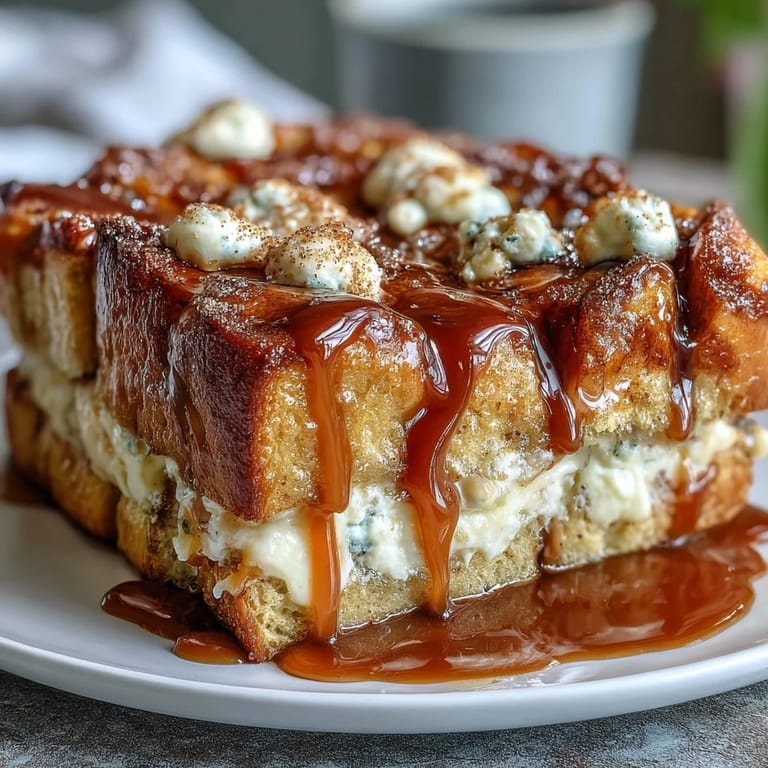
 There's something about the smell of caramel bubbling on the stove that makes me want to build an entire breakfast around it. Years ago, I was rummaging through my fridge the night before hosting brunch when I spotted cream cheese, a loaf of brioche I'd meant to use earlier, and suddenly the idea struck: why not layer them together with caramel and custard, then bake it all into one golden, indulgent casserole? The result was so good my guests asked for the recipe before they'd even finished their first bites.
I'll never forget the first time I made this for my sister's birthday brunch. She walked into the kitchen halfway through baking and just stood there, eyes closed, breathing in the warm spices and caramel. She didn't say anything, just smiled. That's when I knew this dish had something special, something that goes beyond taste.
Ingredients
- 1 loaf (about 500 g) brioche or challah bread, cut into 1-inch cubes: Brioche's subtle sweetness and tender crumb mean it soaks up custard like a dream, but honestly, day-old bread works even better because it's slightly sturdier and absorbs more liquid.
- 225 g (8 oz) cream cheese, softened: This needs to be soft enough to spread easily but not melted, so pull it out of the fridge at least an hour before you start.
- 6 large eggs: Fresh eggs help your custard set properly and give the casserole that luxurious, custardy texture throughout.
- 360 ml (1½ cups) whole milk: Whole milk creates a richer custard than lower-fat versions, which matters when caramel is already the star.
- 120 ml (½ cup) heavy cream: Half goes into the custard mixture and half into the caramel sauce, creating that silky texture on both fronts.
- 120 g (½ cup) granulated sugar: This sweetens the custard, but don't skip the brown sugar in the caramel—they serve different purposes.
- 2 tsp pure vanilla extract: Vanilla brightens everything without stealing the show from caramel and cream cheese.
- ½ tsp ground cinnamon and pinch of salt: Cinnamon warms the custard, and salt makes all the other flavors snap into focus.
- 200 g (1 cup) light brown sugar, packed: Brown sugar caramelizes differently than white sugar, creating a deeper, more complex flavor.
- 120 g (½ cup) unsalted butter: Unsalted lets you control the saltiness, which keeps the caramel from overwhelming the delicate cream cheese layer.
- 2 tbsp granulated sugar and 1 tsp ground cinnamon for topping: This finishing touch creates a crunchy contrast to the creamy interior.
Tired of Takeout? 🥡
Get 10 meals you can make faster than delivery arrives. Seriously.
One email. No spam. Unsubscribe anytime.
Instructions
- Make the caramel sauce first:
- In a saucepan over medium heat, melt the brown sugar and butter together, stirring constantly until they're smooth and bubbling—this takes about 2 to 3 minutes. Once it looks glossy and combined, remove it from heat and stir in the heavy cream slowly, watching it transform into silky caramel sauce. Pour this into the bottom of your greased 9x13-inch baking dish and let it settle.
- Layer the bread and cream cheese:
- Arrange half of your brioche cubes in an even layer over the warm caramel. Beat the softened cream cheese until smooth, then drop spoonfuls across the bread layer—don't spread it completely; those pockets of cream cheese are going to create little bursts of richness as it bakes. Top with the remaining bread cubes.
- Make the custard and soak overnight:
- In a large bowl, whisk together the eggs, milk, heavy cream, sugar, vanilla, cinnamon, and salt until the mixture is completely smooth. Pour this slowly and evenly over all the bread layers, pressing down gently with the back of a spoon to help the bread absorb the liquid. Cover tightly with plastic wrap and refrigerate for at least 6 hours, or better yet, overnight—this is when the magic happens.
- Prepare to bake:
- The next morning, preheat your oven to 350°F and remove the casserole from the fridge, letting it sit at room temperature for 20 to 30 minutes. This prevents the cold dish from shocking your oven and helps it bake more evenly.
- Add the cinnamon sugar topping and bake:
- Mix together the 2 tablespoons of sugar and 1 teaspoon of cinnamon in a small bowl, then sprinkle this mixture evenly across the top of the casserole. Bake uncovered for 40 to 45 minutes, until the top is puffed and golden and the center feels set when you gently shake the dish; if it's browning too quickly, loosely tent it with foil for the last 10 to 15 minutes.
- Cool and serve:
- Let the casserole rest for 10 minutes before serving—this gives the custard a chance to firm up slightly. Serve warm, and if you're feeling indulgent, drizzle extra caramel sauce on top or scatter fresh berries alongside.
 Save to Pinterest
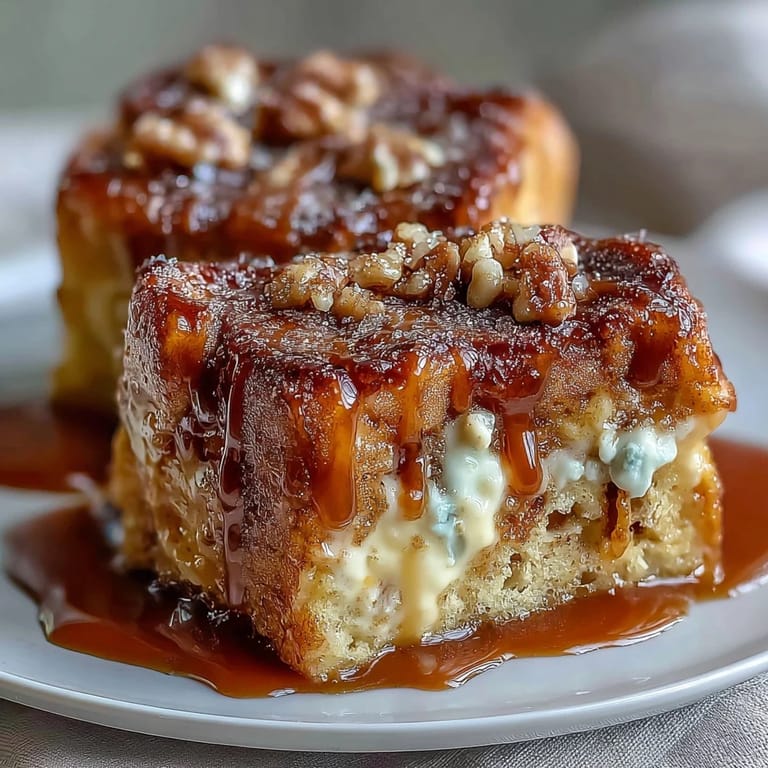
 There was one Sunday when I made this for a table of six, and halfway through eating, someone said they couldn't decide if it tasted like dessert or breakfast—and somehow that uncertainty made it taste even better. Everyone smiled because they understood exactly what she meant.
Why Stale Bread Is Actually Your Secret Weapon
Fresh, fluffy bread falls apart when soaked, but bread that's been sitting for a day or two has lost some moisture and become slightly firmer, which means it holds its shape while still drinking up all that custard. I started keeping extra bread around specifically for this dish, and now whenever I see a loaf that's going stale, I smile because I know exactly what to do with it.
Making Caramel That Doesn't Break
The biggest mistake people make is rushing the caramel or not stirring constantly, which leads to uneven cooking and grittiness. When you stir the brown sugar and butter together over medium heat without stopping, you're creating an emulsion that stays smooth and glossy. Adding the cream slowly at the end keeps it silky instead of seized and lumpy, which I learned after one particularly disappointing batch.
Flavor Variations That Work
While this casserole is perfect as written, the architecture here supports all kinds of experimentation once you understand how it works. You can swap the caramel for a maple-butter sauce, add chopped pecans between the bread layers for crunch, or even use a touch of bourbon or brandy in the custard. The key is respecting the balance—the cream cheese needs to shine alongside the caramel, not get buried by competing flavors.
- Nutmeg or cardamom instead of cinnamon: Creates a different warmth while keeping the same cozy feeling.
- A handful of chocolate chips scattered between layers: Adds richness without overwhelming the cream cheese.
- Rum or bourbon in the custard: Just a tablespoon adds sophistication and deepens the caramel notes.
 Save to Pinterest
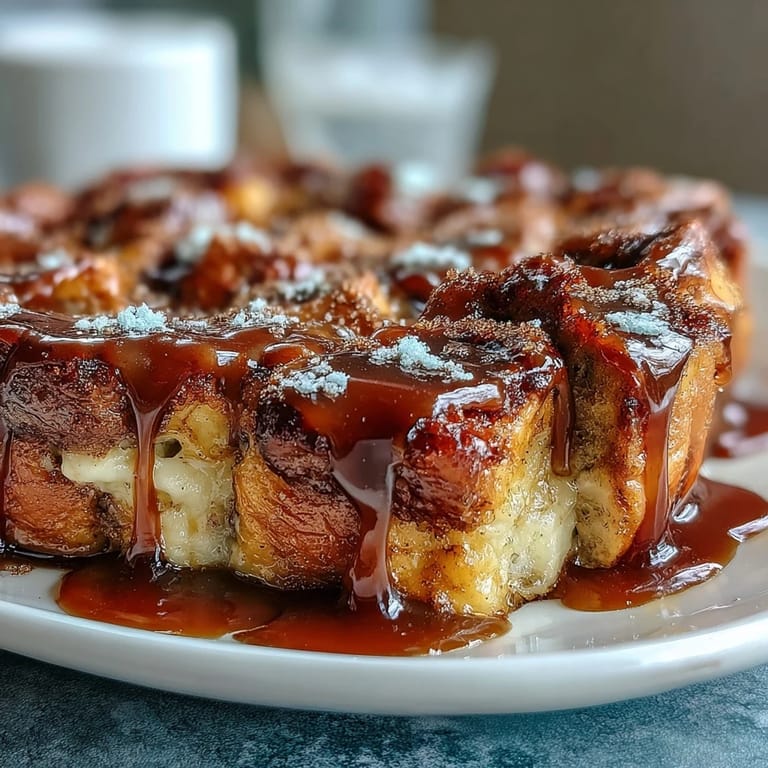
 This casserole has become my go-to when I want to feel like I've done something impressive without actually stressing in the kitchen. There's something deeply satisfying about serving something that tastes this good and knowing that the hardest part was done the night before.
Recipe FAQs
- → Can I use different bread for this casserole?
While brioche and challah work best due to their rich, eggy structure and ability to absorb custard without falling apart, you can substitute other sturdy breads. French bread, thick-cut sandwich bread, or even croissants can work. Avoid using very soft sandwich bread as it may become too mushy. Stale bread (1-2 days old) actually works best for absorbing the custard mixture.
- → How long should I refrigerate this casserole before baking?
For optimal results, refrigerate overnight (8-12 hours) to allow the bread to fully absorb the custard mixture. This ensures a creamy, evenly textured final dish. Minimum chilling time is 6 hours, but longer is better. The casserole can be refrigerated up to 24 hours before baking. Let it sit at room temperature for 20-30 minutes before placing in the oven.
- → Can I freeze this casserole?
Yes, you can freeze this casserole either before or after baking. For freezing unbaked: assemble the casserole, wrap tightly, and freeze for up to 3 months. Thaw overnight in the refrigerator before baking. For freezing baked: cool completely, wrap well, and freeze up to 2 months. Reheat covered at 175°C (350°F) for about 20 minutes until warmed through.
- → Why did my casserole turn out soggy in the center?
A soggy center usually means the bread wasn't stale enough or the casserole wasn't baked long enough. Using fresh, very moist bread can lead to sogginess. Also, ensure you're baking the full 40-45 minutes and testing that the center is set and puffed, not jiggly. If the top browns too quickly, tent with foil and continue baking until the center is fully set.
- → Can I make this dairy-free?
You can adapt this for dairy-free diets with several substitutions. Use vegan cream cheese, plant-based milk (oat or almond work well), and coconut cream or heavy plant-based cream. For the caramel, use vegan butter or coconut oil. The texture may vary slightly, but the flavor will still be delicious. Vegan brioche is available at specialty bakeries, or use a sturdy dairy-free bread alternative.
- → What toppings work well with this casserole?
Fresh berries like strawberries, raspberries, or blueberries add brightness and cut through the richness. A dollop of whipped cream or crème fraîche provides extra creaminess. Chopped pecans, walnuts, or toasted pecans add crunch. A dusting of powdered sugar or maple syrup drizzle makes for an elegant presentation. Some enjoy a scoop of vanilla ice cream for dessert-style serving.