 Save to Pinterest
 I'll never forget the moment my nephew asked me to create something that looked like a DNA double helix for his science fair party. Standing in my kitchen at midnight, I realized I had everything I needed to build an edible masterpiece that would make his guests do a double-take. That's when the Double Helix was born—a dish that turned molecular biology into something you could actually taste and enjoy together.
I remember watching my nephew's face light up when he saw it for the first time. His whole group of friends crowded around the platter, phones out, snapping pictures before even touching it. That's when I knew I'd created something special—not just food, but an experience that made science delicious and memorable.
Ingredients
- Black olives, pitted and sliced (100 g): These create one of your twin strands and offer a deep, briny anchor that balances sweeter elements. Pro tip: pit them fresh if you can—they have better texture and flavor
- Cherry tomatoes, halved (100 g): The vibrant red creates stunning visual contrast against the olives. Halve them lengthwise to keep them from rolling around your helix
- Cucumber, cut into thin half-moons (100 g): This brings a refreshing crunch and pale green that softens the overall color palette. Cut them thin enough to stack easily
- Roasted red peppers, sliced (100 g): These add sweetness and a silky texture. Use jarred ones to save time—they work beautifully and taste just as good
- Smoked salmon or marinated tofu strips (100 g, optional): This is your optional luxury touch. Smoked salmon adds elegance and protein for a carnivore twist
- Mozzarella cheese, cut into thin strips or small cubes (150 g): These are your rungs connecting the two strands. Keep them cold until the last moment so they hold their shape
- Cheddar cheese, cut into thin strips or small cubes (100 g): Alternate mozzarella and cheddar for visual interest and flavor variety. The gold against white mimics base pairs perfectly
- Fresh basil leaves (50 g): Scatter these throughout for pops of green and herbaceous aroma that tie everything together
- Crackers or gluten-free crackers (50 g, optional): These give guests something to build on if they want. Choose sturdy ones that won't shatter
- Olive oil (1 tbsp): A light drizzle at the end adds shine and helps flavors meld. Don't oversaturate or your arrangement gets slippery
- Freshly ground black pepper, to taste: This final seasoning brings everything into focus
Tired of Takeout? 🥡
Get 10 meals you can make faster than delivery arrives. Seriously.
One email. No spam. Unsubscribe anytime.
Instructions
- Set your stage:
- Find your largest serving board or platter—you need space to create two long, gently parallel lines about 6-8 inches apart. Think of this as your canvas. This is where the magic happens, so take a moment to visualize your helix before you start placing anything
- Build your first strand:
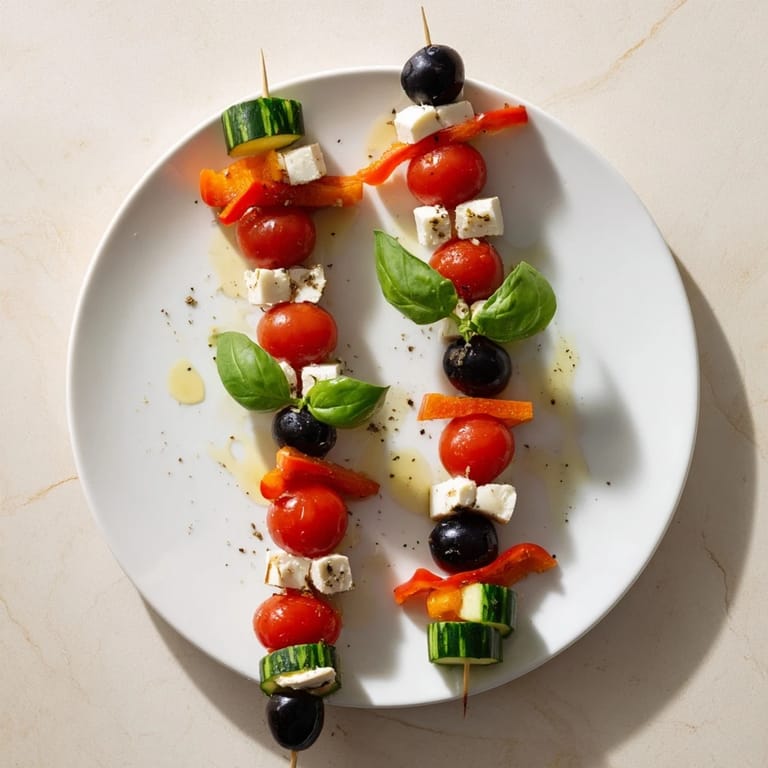
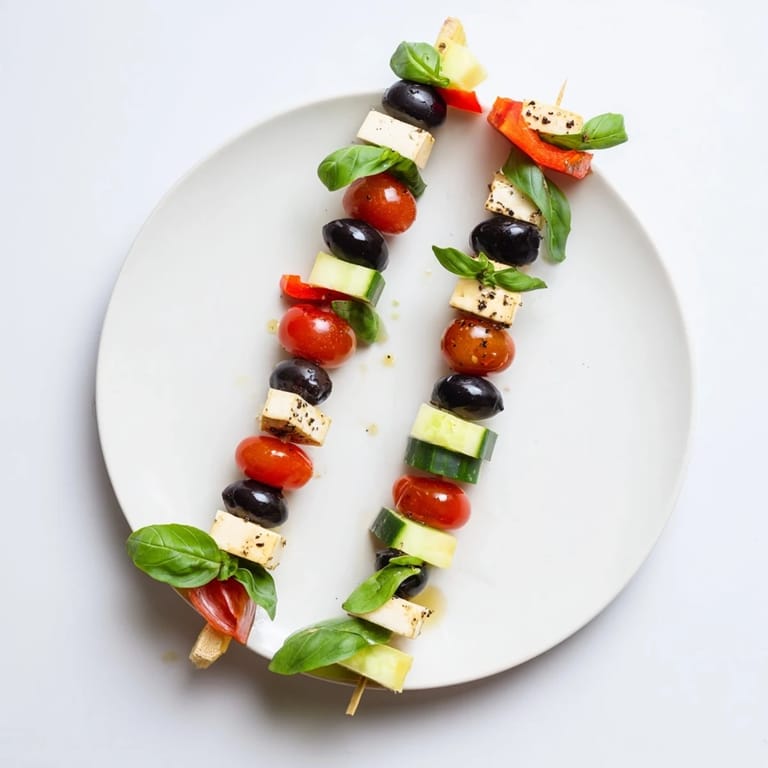
- Starting at one end, create the first parallel line using black olives, placing each slice slightly overlapping the last. Your hand moves in a gentle, undulating motion—don't worry about perfection, slight curves make it look more organic and true to actual DNA spiraling
- Create contrast with your second strand:
- On the other line, alternate with cherry tomatoes, halved and arranged cut-side down so they nestle naturally. The deep red against the dark olives creates that visual pop that makes people lean in closer
- Deepen the color story:
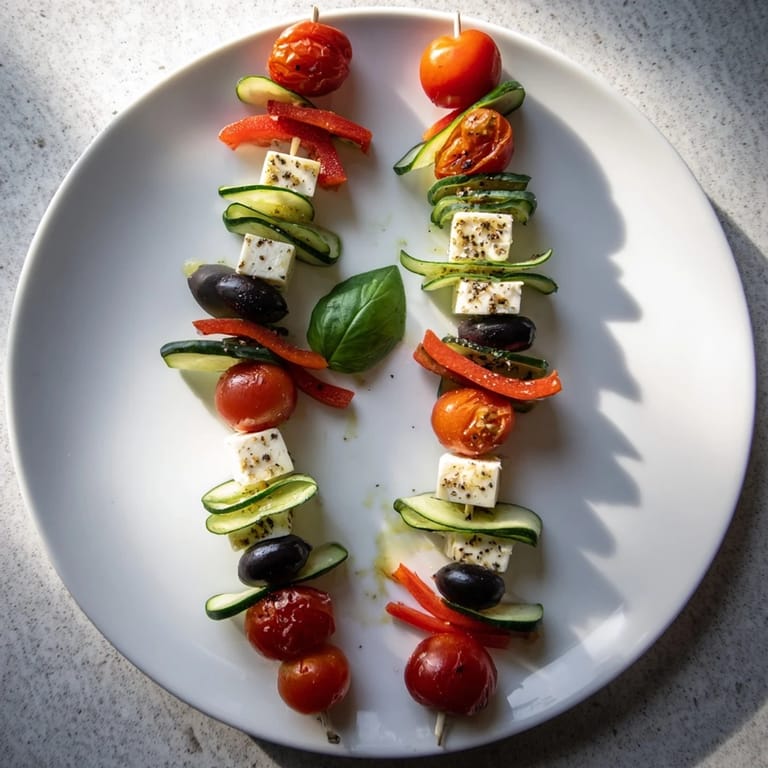
- Along each line, intersperse thin cucumber half-moons and roasted red pepper slices. Listen to the sizzle of satisfaction in your own mind as these colors build harmony. This is where you're creating visual rhythm
- Add protein elegantly:
- If using smoked salmon or marinated tofu, weave these strips in and out of your design elements. They should feel like accents, not dominating the composition. Trust your eye here—step back and see if it feels balanced
- Connect with cheese rungs:
- Now the crucial part: arrange mozzarella and cheddar pieces perpendicularly between your two lines, like little bridges every inch or so. Alternate the cheese types as you go. These are your base pairs—they're what makes this a DNA molecule and not just two lines of food
- Tuck in the basil:
- Fresh basil leaves nestle along and between everything, adding that living green element and releasing a subtle herbaceous perfume. Think of them as final brushstrokes on your edible artwork
- The finishing touch:
- Step back and admire your creation for a moment—you've earned it. Then drizzle lightly with olive oil, using a gentle hand so your arrangement doesn't slip and slide. A generous grind of black pepper over everything brings depth and sophistication. Serve with crackers alongside
 Save to Pinterest
 There was something almost sacred about that moment when everyone at the party gathered around, amazed that science and food had merged into something so beautiful. A guest asked if I studied biology—I didn't, but in that kitchen, with vegetables and cheese, I became one for the night.
Assembly Strategy
The secret to pulling this off without stress is understanding that you're building in layers, not all at once. Start with your vegetable strands first—this gives you the foundation and lets you see what you're working with. Once the two main lines are down, everything else clicks into place naturally. I learned this the hard way when I tried to place everything simultaneously and ended up with chaos. Building in stages gives you control and lets you step back to assess balance as you go.
Making It Your Own
The beauty of this recipe is that it invites creativity within a structure. One time, I switched the tomatoes for thinly sliced radishes for a Valentine's Day version, and another time I used marinated artichoke hearts and sun-dried tomatoes for a Mediterranean twist. The DNA concept stays the same, but your twist makes it personal. Don't feel locked into the exact vegetables I've suggested—swap, experiment, trust your instincts. The only real rule is contrast: you need two visually distinct lines so the helix reads as DNA and not just a fancy veggie tray.
Wine Pairings and Serving Moments
I serve this at the moment guests arrive, when everyone's fresh and ready to be impressed. A crisp white wine or sparkling water with lemon is the perfect companion—the acidity cuts through the richness of the cheese and brings out the brightness of the vegetables. I've found that displaying this on a black or dark serving platter makes the colors absolutely sing. The moment someone says, 'This is so cool, I'm almost afraid to eat it,' you know you've succeeded.
- Assemble no more than 30 minutes before serving to keep everything fresh and vegetables crisp
- If you're making this for a large gathering, you can prep all the vegetables an hour ahead and refrigerate them separately, then assemble just before guests arrive
- Use a long serving platter rather than a round one—it lets your helix breathe and makes the DNA structure instantly recognizable
 Save to Pinterest
 Every time I make this, I'm reminded that food is more than sustenance—it's storytelling, it's science, it's art all at once. Your guests will taste the care you put into every thoughtful placement.
Recipe FAQs
- → What ingredients create the base lines?
Black olives, cherry tomatoes, cucumber, roasted red peppers, and optionally smoked salmon or marinated tofu form the parallel strands.
- → How are the cheese rungs prepared?
Mozzarella and cheddar cheeses are cut into thin strips or small cubes and arranged perpendicularly to link the base lines.
- → Can this be made vegan or gluten-free?
Yes. Replace cheese with plant-based alternatives and use gluten-free crackers to suit dietary preferences.
- → What is the best way to serve this appetizer?
Arrange on a large serving board, drizzle with olive oil, season with black pepper, and offer crackers or gluten-free options alongside.
- → Are there recommended drink pairings?
Pairs well with crisp white wine or sparkling water with lemon to complement fresh and savory flavors.