 Save to Pinterest
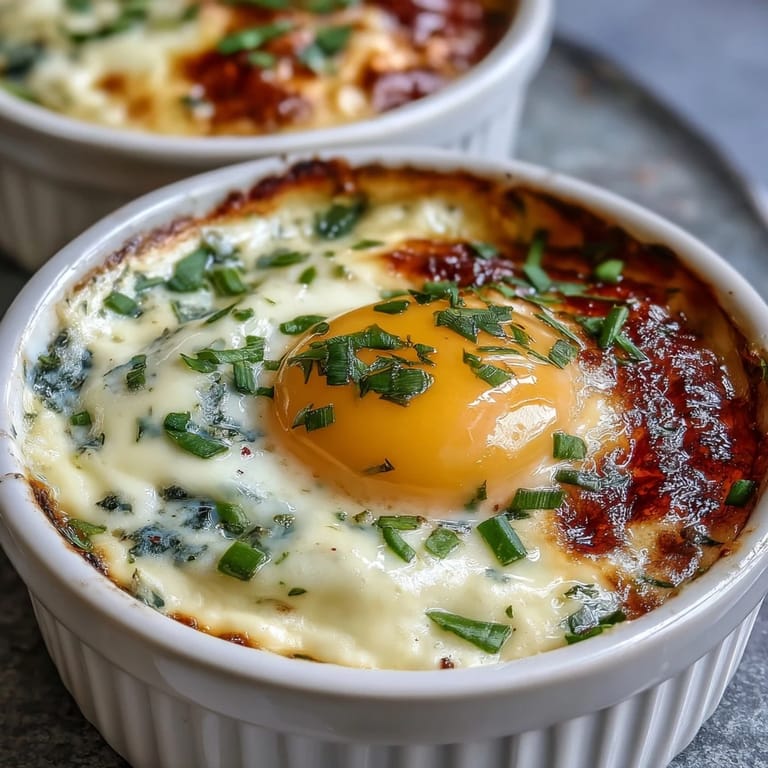
 Steam curling across the kitchen window on an early spring morning always reminds me of making eggs en cocotte. I first tried this dish out of curiosity after glimpsing it in a French film – the lush simplicity stuck with me. There is something quietly thrilling about cracking eggs into little ramekins, layering in fragrant herbs, and waiting while the oven works its magic. The gentle bubbling of water in the bain-marie always makes me think of cozy, slower weekends. Aromas of fresh chives and melting butter pretty much announce brunch before you even sit down.
One Sunday, I made these eggs for a friend who’d never heard of cocotte; we spent most of brunch laughing about the word itself and marveling at the way the yolks turned out velvet-smooth. Passing around the ramekins, each topped with a tangle of green herbs, felt celebratory yet relaxed. There’s a sweetness to serving everyone their own little dish. That morning, they reappeared for seconds, and the tradition quietly stuck. Sometimes it’s the simplest foods that set the scene for the best conversations.
Ingredients
- Unsalted butter: Greasing the ramekins with butter ensures the custard doesn’t stick, and a final dot on top helps the surface stay golden and tender.
- Heavy cream: The base that turns ordinary eggs into something nearly silken; cold cream straight from the fridge pours best.
- Grated parmesan cheese: Its nutty bite melts into the cream, but a gentle hand is key to avoid overpowering the delicate eggs.
- Large eggs: The centerpiece, obviously; fresh eggs hold their shape and yield tender whites and runny yolks.
- Fresh chives: Lends a subtle, oniony brightness that doesn’t outshine the other flavors.
- Fresh parsley: Adds color and a little herbal lift, especially welcome in the gray of late winter.
- Fresh thyme leaves: Only a half teaspoon needed – too much can mask the eggs, but just right, they enhance the whole dish.
- Salt and freshly ground black pepper: A pinch elevates every layer; freshly cracked black pepper gives the aroma you want as soon as the spoon hits the surface.
- Optional – Extra chives or parsley: A sprinkle of fresh green just before serving always looks inviting.
Tired of Takeout? 🥡
Get 10 meals you can make faster than delivery arrives. Seriously.
One email. No spam. Unsubscribe anytime.
Instructions
- Get the oven and water ready:
- Turn your oven to 375°F (190°C) and let it heat while you set a kettle of water on to boil; this will create gentle, even cooking.
- Prepare the ramekins:
- Rub a generous swipe of butter along the inside of each ramekin – don’t forget the rim, which prevents any sticking as the eggs puff up.
- Start with cream:
- Pour 2 tablespoons of cold heavy cream into the bottom of each ramekin, swirling a little to coat the base.
- Layer in flavor:
- Scatter half of your chives, parsley, thyme, and a pinch of parmesan onto the cream, letting them settle gently.
- Add the eggs:
- Crack two eggs for each ramekin, sliding them in carefully so the yolks remain whole—it’s always a little suspenseful but rewarding when they stay intact.
- Season and finish prepping:
- Top each with a pinch of salt, plenty of black pepper, the remaining herbs and cheese, then dot the top with a smidge more butter.
- Bake in a water bath:
- Set the ramekins in a deep baking dish and pour the hot water around them until it reaches halfway up the sides—this keeps everything gentle and custardy.
- Watch and wait:
- Bake for 12 to 15 minutes, just until the whites are set and the yolks jiggle slightly—if you like firmer yolks, add another 2 to 3 minutes.
- Garnish and serve:
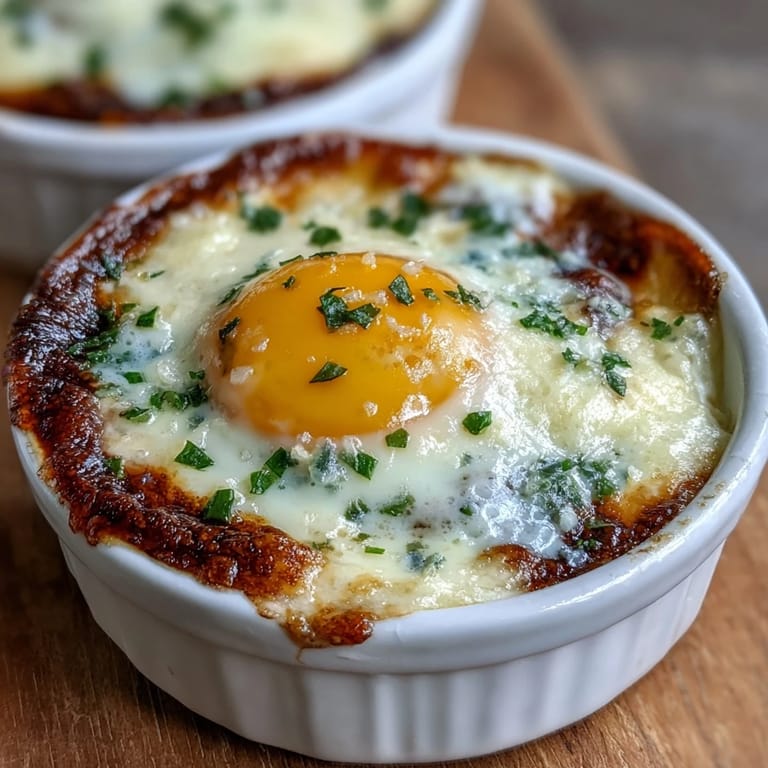
- Carefully lift the ramekins from their hot bath, let them rest a few minutes, and finish with a scatter of extra herbs if you like.
 Save to Pinterest
 One spring, my mother visited and we made these together, competing over ramekin arrangement and herb patterns; the laughter somehow made the meal even more warming. Sharing a table surrounded by cloudlike eggs and crisp bread made the room feel brighter. Those simple flavors turned brunch into a shared memory. For once, everyone paused and really savored each bite. I still look at ramekins with a small smile because of it.
Simple Ways to Switch Things Up
After a few tries, curiosity got the best of me and I started sneaking in new flavors – a paper-thin layer of smoked salmon turned the eggs practically celebratory, while wilted spinach added depth and color. You learn quickly that a sprinkle of Gruyère creates its own savory magic, or that goat cheese brings understated tang. Customizing means every brunch can taste a little different, which my family adores.
Serving Suggestions from Experience
Through plenty of trial and error, I realized the bread you serve alongside can make or break the whole affair; brioche toast works like a dream, while rustic sourdough is sturdy and tangy for scooping up the last traces of yolk and cream. Guests inevitably ask for seconds if there’s a pile of greenery on the side—bright salad with a lemony dressing always helps keep things fresh. Egg en cocotte pairs well with fruit preserves or pickles for an unexpected spark.
What to Keep in Mind for Next Time
If you ever forget to heat the water beforehand, don’t fret—just bake a little longer and check early to avoid overcooking. Herb proportions can be adjusted easily by taste, so don’t worry about perfection. Most importantly, keep an eye on the eggs at the end: the difference between jammy and solid yolks is only a couple minutes, so stand by.
- Adding a touch of cream right before serving makes the center extra luscious.
- Try chopping the herbs extra fine for a more delicate flavor throughout.
- Don’t skip the rest after baking—the eggs finish setting and become spoon-tender.
 Save to Pinterest
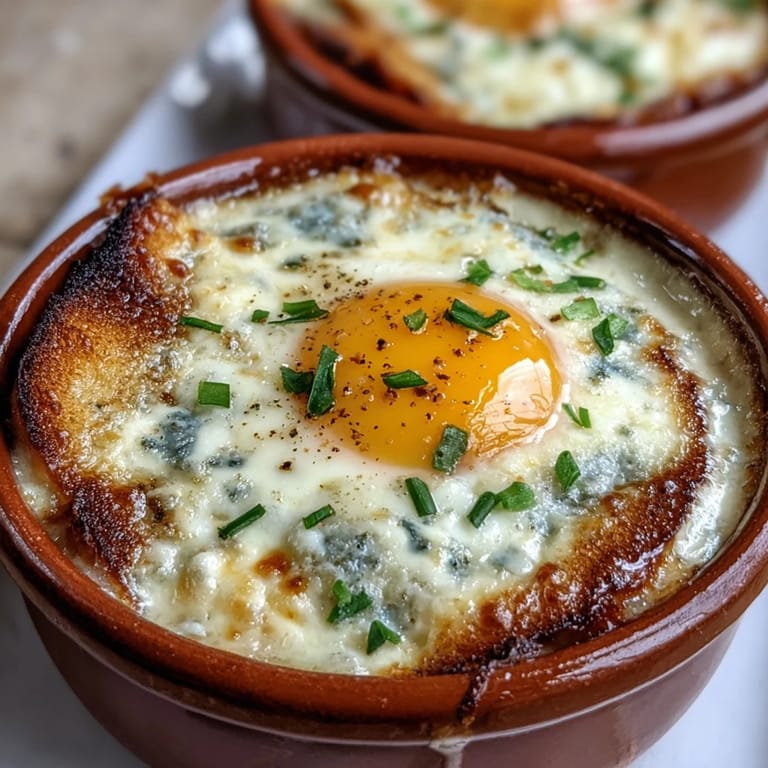
 Here’s to tiny ramekins and big flavors—each time I make these, I’m reminded how a simple dish can turn any day into a quiet celebration. Enjoy every spoonful and don’t rush the last bite.
Recipe FAQs
- → Why use a water bath?
A water bath (bain-marie) ensures gentle, even heat around the ramekins so whites set without overcooking yolks, producing a silky custard texture.
- → How can I get runny yolks?
Bake for about 12 minutes at 375°F (190°C) and check early—oven times vary. Remove when whites are set but yolks still jiggle slightly for creamy, runny centers.
- → What cheese swaps well for parmesan?
Gruyère or goat cheese both add richness and melt well; use grated or crumbled forms to integrate into the custard without overpowering the herbs.
- → Any vegetarian considerations for the cheese?
Parmesan can contain animal rennet; look for vegetarian-labeled Parmesan or choose a vegetarian-friendly hard cheese to keep the dish suitable for lacto-vegetarians.
- → Can I add other ingredients in the ramekin?
Yes—slices of smoked salmon, sautéed spinach, or mushrooms can be layered under the eggs for extra flavor and texture; ensure any fillings are warm or pre-cooked.
- → How to reheat leftovers without overcooking?
Gently warm individual portions in a low oven (300°F/150°C) for a few minutes or use a water bath to slowly bring temperature up, preserving texture and avoiding rubbery whites.