 Save to Pinterest
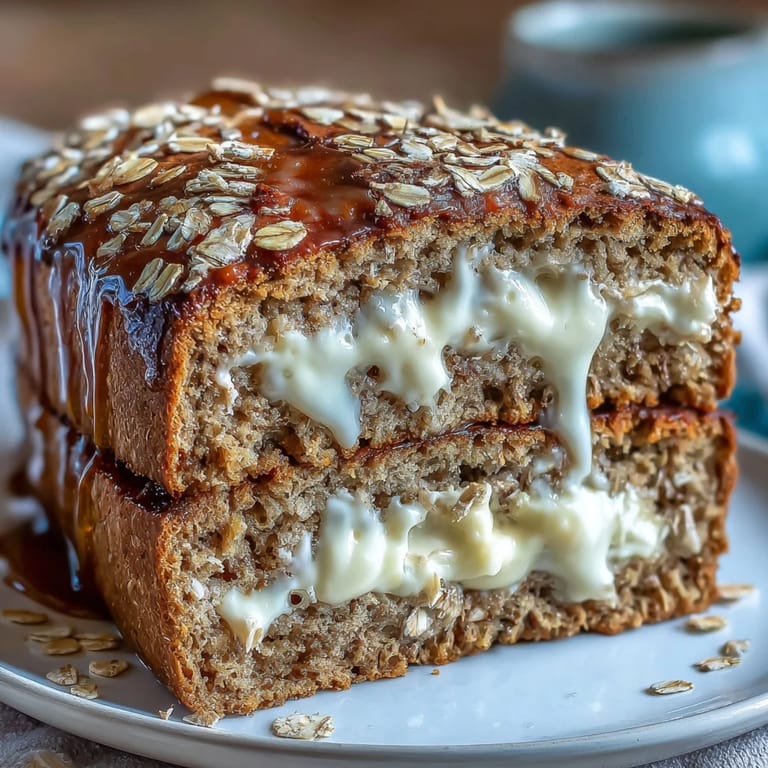
 My kitchen smelled like a Dublin bakery the morning I first attempted Irish brown bread, though I'll admit my initial loaf came out dense as a doorstop. A friend visiting from Cork took one look, laughed warmly, and said, "You're overthinking it, love." She was right—this bread isn't about precision or fussing; it's about buttermilk, restraint, and knowing when to stop stirring. Now I make it whenever I crave that tender crumb and honest, wheaty flavor, especially with a slather of honey butter melting into the warm slices.
I served this to my neighbor one chilly afternoon, still warm from the cooling rack, and watched her close her eyes after the first bite. She didn't say much, just asked for the recipe and came back three days later with her own loaf and a story about how her grandmother used to make something similar. That's when I realized this bread carries memory; it's one of those dishes that quietly connects people across time.
Ingredients
- Whole wheat flour: Use Irish-style if you can find it, but regular whole wheat works beautifully—it gives the bread its hearty, slightly nutty backbone and that lovely golden-brown color.
- All-purpose flour: This lightens the crumb just enough so the bread doesn't feel heavy, balancing the density of the wholemeal.
- Baking soda: This is your leavening agent, and it reacts with the acidity in buttermilk to create those tender crumbs without needing yeast.
- Salt: A full teaspoon might seem bold, but it's essential for bringing out the grain flavors and preventing the bread from tasting flat.
- Rolled oats: Beyond texture, they add a subtle sweetness and keep the loaf moist longer than it would be otherwise.
- Brown sugar: Just enough to enhance the natural sweetness of the grains without making this a dessert bread.
- Buttermilk: This is non-negotiable—its acidity activates the baking soda and creates that tender crumb you can't achieve with regular milk, even with vinegar added.
- Unsalted butter: Use good butter for the honey butter; you'll taste the difference in every bite.
- Honey: Raw honey adds depth that processed varieties can't match, and it creates a silky spread that doesn't separate as the butter sits.
Tired of Takeout? 🥡
Get 10 meals you can make faster than delivery arrives. Seriously.
One email. No spam. Unsubscribe anytime.
Instructions
- Heat your oven and prepare:
- Set the oven to 425°F and line your baking sheet with parchment or grease your loaf pan—this bread bakes hot and fast, so you want everything ready before you mix a single ingredient.
- Mix the dry ingredients:
- Combine the whole wheat flour, all-purpose flour, baking soda, salt, oats, and brown sugar in a large bowl, whisking gently to distribute the baking soda evenly so you don't get bitter pockets of alkaline flavor.
- Bring the dough together:
- Make a well in the center of your dry mixture and pour in the buttermilk all at once, then stir gently with a wooden spoon until the dough just comes together—shaggy and slightly rough is exactly what you want here. Stop as soon as it's mixed; overmixing develops gluten and makes the bread tough and dense.
- Shape with confidence:
- Turn the dough onto a lightly floured surface and shape it into a round loaf about 2 inches thick, working quickly and gently so you don't compress it.
- Make the signature cross:
- Place your shaped loaf on the prepared baking sheet or in the loaf pan, then use a sharp knife to cut a deep cross across the top—this isn't decoration, it's functional, helping the bread bake through evenly. Sprinkle with a few extra oats if you want that rustic finish.
- Bake until golden:
- Bake for 35 to 40 minutes until the top is deep golden brown and the bottom sounds hollow when you tap it—that hollow sound is your cue that the crumb has set properly.
- Cool properly:
- Transfer the loaf to a wire rack and let it cool completely before slicing; this allows the crumb to set and makes every slice cleaner and more tender.
- Make the honey butter:
- In a small bowl, beat the softened butter with honey and a pinch of salt until it's light, smooth, and creamy—about two minutes with a hand mixer or vigorous whisking by hand.
- Serve while bread is still warm:
- Slice the cooled bread thickly and spread with generous dollops of honey butter, letting it melt into the warm crumb for maximum comfort.
 Save to Pinterest
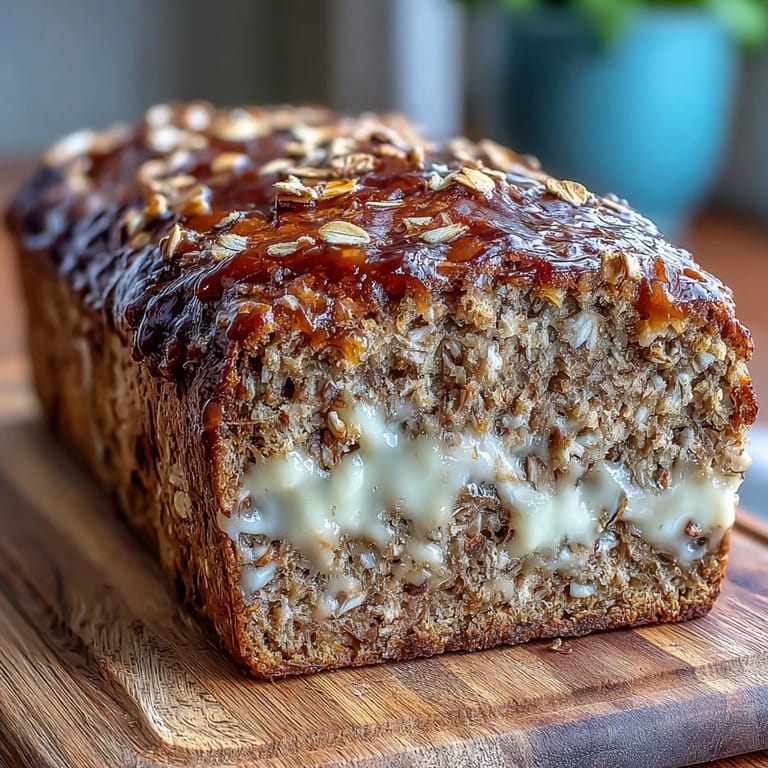
 There's a moment, right when the loaf comes out of the oven and the kitchen fills with that warm, wheaty steam, where everything feels right. This bread has a way of turning an ordinary afternoon into something worth savoring, especially when shared.
Why This Bread Feels Different
Irish brown bread doesn't ask for much—no long rises, no special equipment, no mysterious techniques. What makes it special is that it trusts simple ingredients to do their job, and in that simplicity lives real flavor. The whole wheat flour carries notes of grass and earth, the buttermilk adds a subtle tang, and the baking soda creates a tender crumb that's nothing like dense, yeasty sandwich loaves. It's honest bread, the kind that tastes better with butter and a cup of tea than it does alone, and that's exactly how it should be.
Making It Your Own
While the classic version is perfect as-is, this bread welcomes small additions without fussing. Walnuts or sunflower seeds add a pleasant crunch and nuttiness that complements the grains beautifully. A handful of seeds mixed into the dough, toasted right before you add them, brings out deeper flavors that make every bite feel intentional. Some people add a tablespoon of molasses for darker color and richer depth, and that's lovely too, though it shifts the bread slightly toward heartiness.
Storing and Serving Ideas
This bread keeps well for three days wrapped tightly in a kitchen towel, and it actually tastes better on day two as the crumb sets and flavors deepen. Toast it gently to refresh it, or slice it thick and use it as a base for open-faced sandwiches with cheese and tomato. It's equally at home dunked into a bowl of creamy soup, served alongside a hearty stew where the bread soaks up every bit of broth, or simply split and toasted with more honey butter for breakfast.
- For meal prep, slice and freeze the bread in portions, then thaw and toast as needed throughout the week.
- Leftover honey butter keeps in the refrigerator for two weeks and elevates plain toast, crackers, or warm scones instantly.
- If you're making this vegan, swap buttermilk for plant milk mixed with a teaspoon of vinegar and use dairy-free butter—the result is nearly identical and nobody will know the difference.
 Save to Pinterest
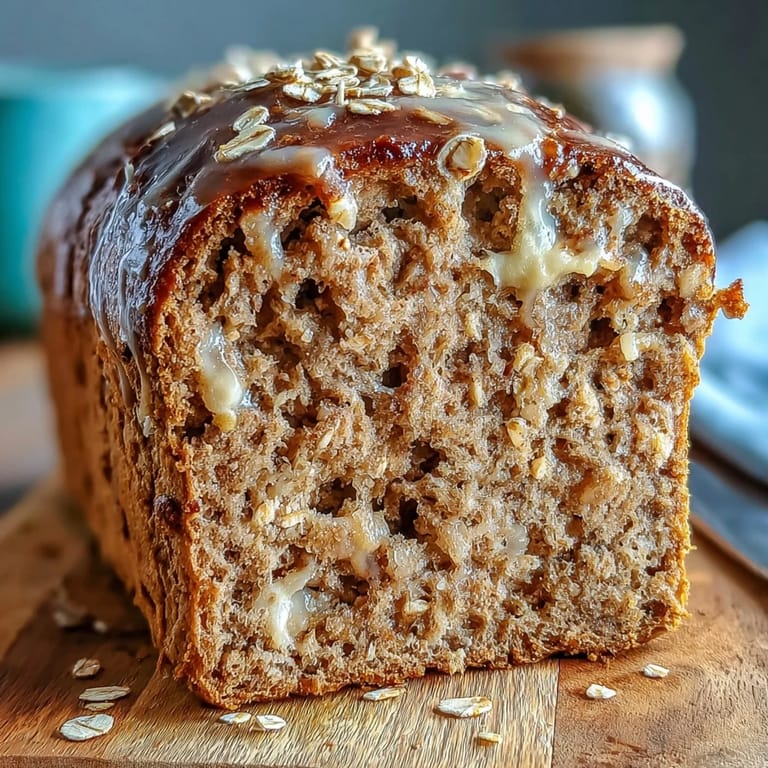
 Make this bread when you want something that tastes like home, whatever home means to you. It's the kind of recipe that rewards you for trusting the process and not overthinking it.
Recipe FAQs
- → What flour types are best for this bread?
Using whole wheat and all-purpose flours together creates a balanced texture, with whole wheat providing nuttiness and all-purpose flour lending softness.
- → How does baking soda function in this bread?
Baking soda acts as a leavening agent that reacts with the acidity in buttermilk, helping the bread rise and achieve a lighter crumb.
- → Can I add nuts or seeds to the dough?
Yes, adding chopped walnuts or sunflower seeds can enhance the bread’s flavor and texture, contributing a pleasant crunch.
- → What is the purpose of scoring the dough with a knife?
Cutting a cross on top allows steam to escape during baking and encourages the bread to expand evenly, improving its final shape.
- → How should the honey butter be stored?
Keep the honey butter refrigerated in an airtight container; bring it to room temperature before spreading for the best creamy consistency.
- → Are there vegan alternatives for the butter and buttermilk?
Yes, plant-based butter and a buttermilk substitute made by mixing plant milk with vinegar can be used to create a vegan-friendly version.