 Save to Pinterest
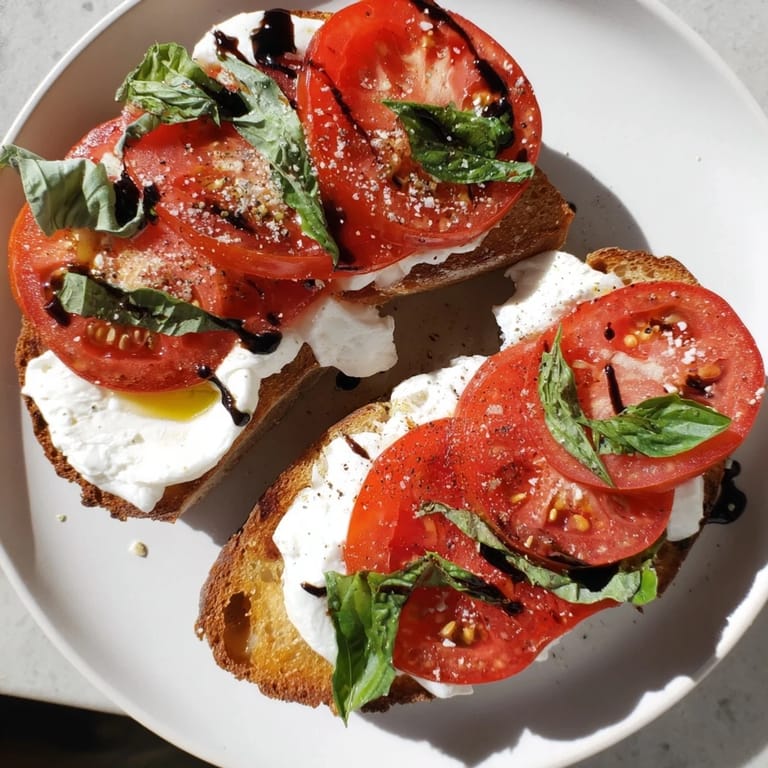
 I discovered this toast completely by accident on a Saturday morning when I was too lazy to cook anything complicated. The burrata was sitting in my fridge—a last-minute splurge from the farmers market—and I had tomatoes that were almost too perfect to ignore. I toasted some sourdough, rubbed it with garlic while it was still warm, and something about that simple combination just clicked. Now I make it whenever I want to feel like I'm eating something restaurant-quality without the pretense.
I made this for my neighbor one Sunday when she stopped by unexpectedly, and the way her face lit up when she tasted it was worth every penny of the fancy burrata. We sat on my patio with espresso and these toasts, and suddenly a random Tuesday felt like a vacation. She's been asking me to make them ever since.
Ingredients
- Sourdough bread: Use thick slices with good structure so they don't collapse under the toppings. If you can find day-old bread, it actually toasts better than fresh.
- Fresh burrata cheese: The star of the show—look for one that's cold and creamy inside, never watery or separated.
- Ripe tomatoes: Cherry, heirloom, or medium varieties all work, but they must be at room temperature or slightly warm for maximum flavor.
- Extra virgin olive oil: Don't skimp here; this is one of the few dishes where the oil tastes directly to you, so use something you actually enjoy.
- Garlic clove: Halving it lets you rub it directly on warm toast so it releases flavor without overwhelming the delicate burrata.
- Flaky sea salt and freshly ground black pepper: These simple seasonings let the fresh ingredients shine without masking them.
- Fresh basil leaves: Tear them by hand instead of cutting so they release oils and stay bright rather than turning bruised and dark.
- Balsamic glaze: Optional but it adds a sweet-tart dimension that brings everything into focus; use sparingly.
Tired of Takeout? 🥡
Get 10 meals you can make faster than delivery arrives. Seriously.
One email. No spam. Unsubscribe anytime.
Instructions
- Toast until golden and crisp:
- Whether you use a toaster or grill pan, aim for that perfect moment when the bread is warm enough to smell amazing but not so dark that it tastes bitter. You want the bread to have structure so it won't get soggy.
- Rub with warm garlic:
- This works because the warm bread opens up and absorbs the garlic flavor without you needing to use much. The cut side of the clove is your tool—just gentle pressure.
- Drizzle with olive oil:
- One tablespoon per toast is the sweet spot; it adds richness without making things greasy. Pour it slowly so it soaks in rather than pooling at the edges.
- Layer tomatoes with intention:
- Overlapping the slices looks beautiful and helps distribute flavor and moisture evenly. Season as you go rather than all at the end so the salt penetrates the tomatoes.
- Add burrata with a gentle hand:
- Tear it into irregular pieces and spoon it over so some of the creamy center lands on every bite. Avoid pressing down or mashing it; you want it to stay soft and delicate.
- Finish and serve immediately:
- The basil goes on last because it bruises easily, and the whole thing must be eaten while the bread is still warm and the burrata hasn't cooled to room temperature. That contrast is half the magic.
 Save to Pinterest
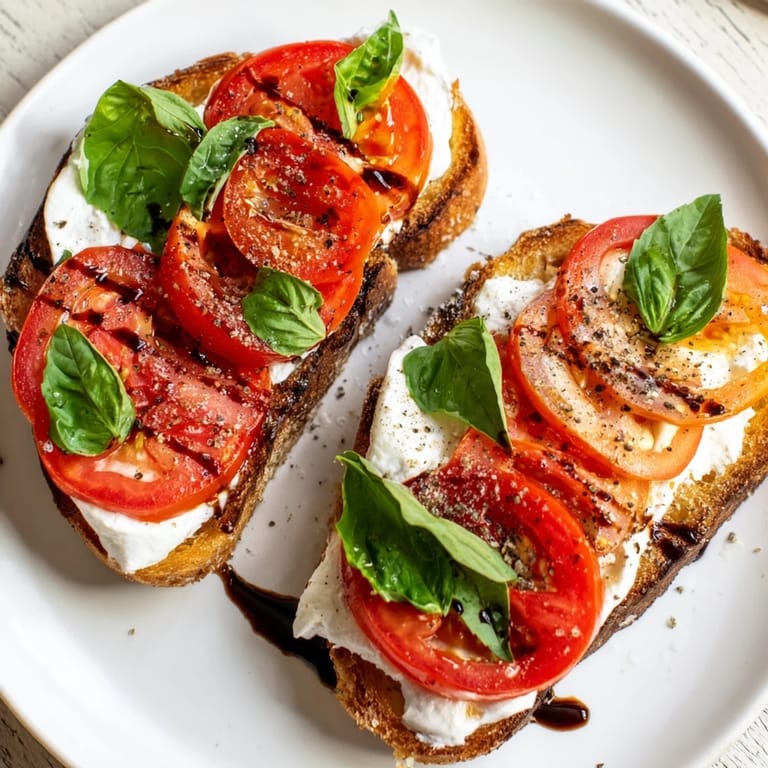
 There's something about sitting down with this toast and just noticing how the warm bread and cool burrata play against each other, how the basil smells green and alive, and how something this simple can taste so intentional. It reminded me that sometimes the best meals aren't about technique or difficulty—they're just about starting with good ingredients and letting them speak for themselves.
The Toast Matters More Than You Think
I learned this the hard way by using soft white bread once, and it was a soggy mess by the third bite. Sourdough has enough tang and structure to stand up to the juicy tomatoes and creamy cheese without disappearing into mush. The crust creates a textural anchor, and the flavor of the fermented bread actually complements the fresh toppings better than anything else I've tried. Day-old sourdough is genuinely better than fresh because it has slightly less moisture and toasts crispier.
Timing Is Everything
The entire magic of this dish lives in the moment between toasting and eating, when the bread is warm enough to slightly soften the burrata but not hot enough to turn it into a puddle. I've tried making these ahead and reheating them, and it just doesn't work—the bread gets tough, the burrata separates, and you lose that balance that makes it special. This isn't a make-ahead brunch dish; it's one you assemble and eat immediately, which honestly is part of why it feels so luxurious. It forces you to be present and eat with intention rather than multitasking.
Variations and Pairings
Once you master the basic version, small additions transform it into something completely different without losing what makes it work. A drizzle of hot chili oil brings spice, crispy capers add a salty tang, and roasted red peppers bring sweetness. Some mornings I add prosciutto; other days I keep it purely vegetarian. The beauty is that the foundation of good bread, good burrata, and ripe tomatoes is flexible enough to welcome whatever else you're in the mood for.
- Try heirloom tomatoes in season for wild flavor variations and striped colors that look stunning.
- A crack of Maldon salt at the very end creates pockets of crunch and texture.
- Serve alongside a simple green salad and sparkling wine to turn it into a light but satisfying brunch.
 Save to Pinterest
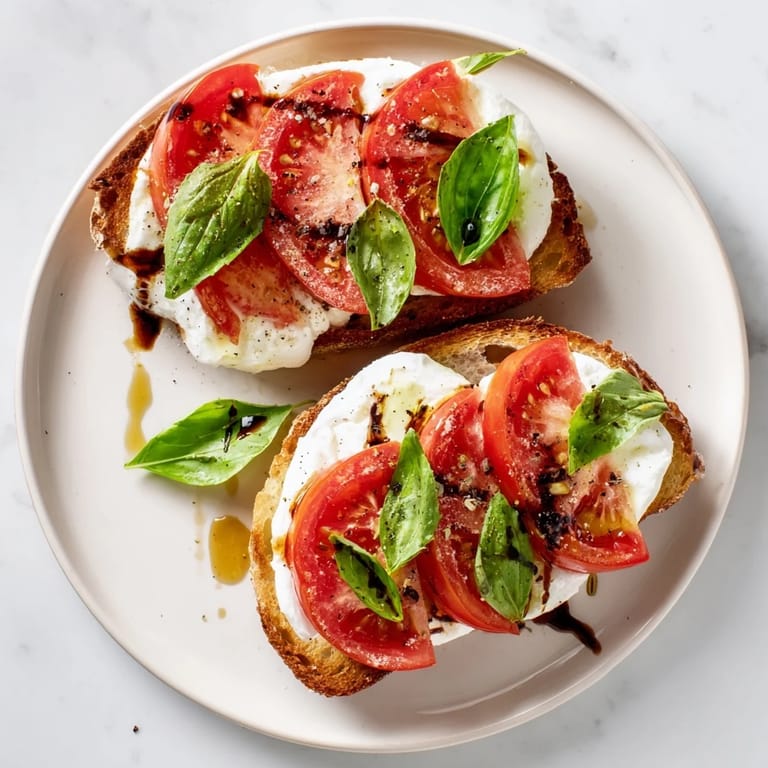
 This toast taught me that restaurant-quality meals don't require complexity, just attention and good ingredients. Make it this weekend, and you'll understand why it became a viral favorite—it's the kind of simple dish that makes you feel good about feeding yourself and anyone lucky enough to be eating with you.
Recipe FAQs
- → What bread works best for this dish?
Sourdough bread is ideal due to its sturdy texture and slight tang, which complements the creamy burrata and juicy tomatoes perfectly.
- → Can I use other cheeses instead of burrata?
Fresh mozzarella can be a good alternative, offering a similar mild creaminess while slightly firmer in texture.
- → How can I add more flavor to the toast?
Rubbing the toasted bread with garlic and drizzling extra virgin olive oil enhances the flavor, while a light sprinkle of chili flakes adds a gentle heat.
- → Is balsamic glaze necessary?
It’s optional but adds a subtle sweetness and acidity that balances the richness of the burrata and freshness of the tomatoes.
- → What is the best way to serve this dish?
Serve immediately while the bread is warm and crisp, and burrata remains creamy to enjoy the full textural contrast.