 Save to Pinterest
 There's something about arugula that stops me mid-chop—that peppery snap hits you immediately, and suddenly I'm transported to a small trattoria in Rome where a server casually tossed leaves with such confidence I felt like I was watching an art form. I came home determined to recreate that effortless elegance, and what I discovered was that the magic isn't in complicated techniques but in respecting each ingredient's voice. This salad became my go-to when I wanted something that felt both casual and impressive, a dish that whispers rather than shouts.
I remember serving this to my friend Maya on a spring evening when she arrived looking exhausted from work, and the moment she took a bite, her whole expression shifted—like the salad had permission to reset her day. She asked for the recipe three times before leaving, and now it's become her default when she needs something that feels restorative without being heavy. That's when I realized this isn't just food; it's a small gesture of care.
Ingredients
- Fresh arugula, 120 g (4 cups), washed and dried: The foundation of everything—look for leaves that are vibrant and crisp, not wilted or yellowing. Drying them thoroughly prevents a soggy salad, which is non-negotiable.
- Parmesan cheese, 40 g (1.5 oz), shaved: Use a vegetable peeler or microplane to create delicate shards; pre-grated cheese feels like an insult to this dish and won't melt into the warm leaves the same way.
- Shallot, 1 small, thinly sliced (optional): This adds a subtle sweetness and gentle bite that brings the whole thing together without overpowering the arugula.
- Extra-virgin olive oil, 3 tbsp: Don't skimp here—this is where quality truly matters, as it's one of only a few ingredients standing alone on the plate.
- Freshly squeezed lemon juice, 1 tbsp: Fresh juice makes a noticeable difference; bottled juice tastes like it's wearing a mask.
- Lemon zest, 1 tsp: This tiny addition carries concentrated lemon flavor and those bright flecks that catch the light.
- Honey or maple syrup, 1 tsp: A whisper of sweetness that softens the mustard's bite and rounds out the dressing's personality.
- Dijon mustard, 1/2 tsp: The secret handshake between the acid and oil, creating an emulsion that actually clings to the leaves.
- Salt and freshly ground black pepper, to taste: Finish with both after tasting; the salad will tell you exactly what it needs.
Tired of Takeout? 🥡
Get 10 meals you can make faster than delivery arrives. Seriously.
One email. No spam. Unsubscribe anytime.
Instructions
- Compose the Dressing:
- In a small bowl, whisk the olive oil, lemon juice, lemon zest, honey, mustard, salt, and pepper together until the mixture looks emulsified and lightly thickened. This should take about 30 seconds of steady whisking—you'll feel it transform under the whisk.
- Dress the Arugula:
- Add the arugula and shallot to a large bowl, then drizzle the dressing over the leaves and toss gently with your hands or salad tongs. The goal is every leaf kissed with dressing, not drowning in it.
- Plate and Finish:
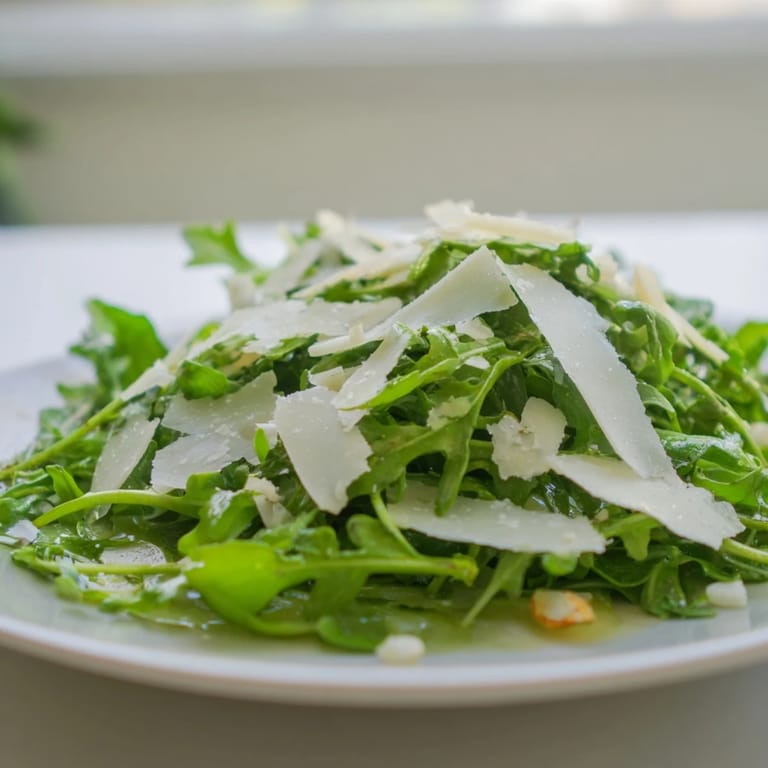
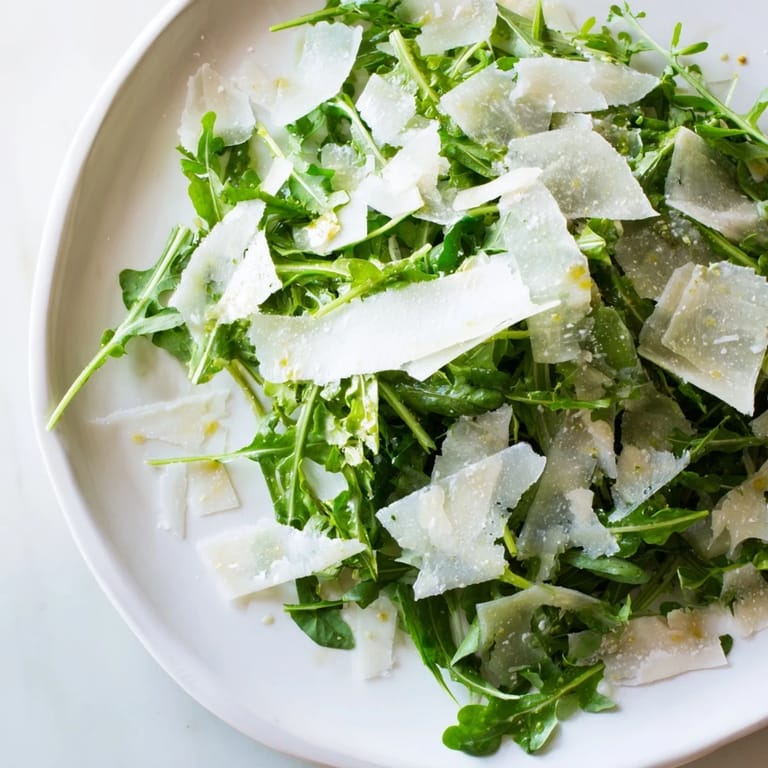
- Divide the salad among serving plates or transfer to a platter, then scatter the Parmesan shards over the top. Serve immediately while the leaves still have their snap and the dressing is still vibrant.
 Save to Pinterest
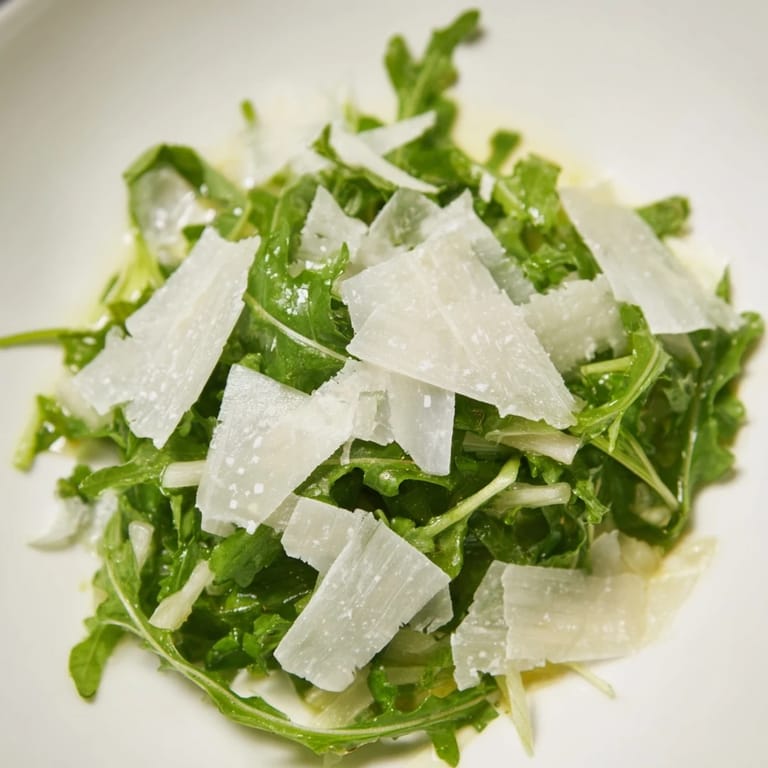
 There was a Tuesday when I made this salad for myself after a particularly long day, and the act of tossing the leaves, watching the light catch the Parmesan, and tasting that first bright bite felt like a small rebellion against takeout menus and exhaustion. It reminded me that sometimes the most meaningful cooking isn't complicated—it's just intentional.
The Power of Simplicity
When a recipe has so few ingredients, there's nowhere to hide—each one has to earn its place. I learned this when I once tried to add sun-dried tomatoes and heavy ingredients to this salad, thinking it needed more, and the whole thing became muddled and confused. It's taught me that restraint is a skill, that knowing when to stop is just as important as knowing what to add. Sometimes the best dishes are the ones that taste like they've been reduced to their essential truth.
Variations and Swaps
This salad is forgiving enough to adapt to what's in your kitchen or what your mood demands. I've added toasted pine nuts on nights when I needed crunch, torn fresh mozzarella when I wanted something creamier, or a gentle squeeze of orange juice instead of lemon when citrus felt repetitive. The base—the arugula, the simple dressing—is the anchor that holds everything together.
Serving and Storage
This salad is best served immediately, at room temperature or just slightly chilled, when every leaf is at its crispest. If you must prepare components ahead, keep the dressing separate and assemble only when you're ready to eat. Leftover dressing keeps beautifully in the refrigerator for about five days, so you can quickly dress fresh greens throughout the week.
- Toast pine nuts or walnuts in a dry pan for two minutes to add warmth and crunch.
- Swap Parmesan for Pecorino Romano if you want a sharper, more assertive cheese flavor.
- Pair this with grilled chicken, fish, or simply serve it as a palate-cleansing side to heavier dishes.
 Save to Pinterest
 This salad has taught me that sometimes the most nourishing meals are the simplest ones, the ones that let ingredients speak for themselves. Make it for someone you want to feel cared for, or make it for yourself on a day when you deserve something that tastes this bright.
Recipe FAQs
- → What is the best way to prepare arugula for this salad?
Wash and dry the arugula thoroughly to remove any grit and ensure the dressing coats the leaves evenly without watering down the salad.
- → Can the lemon dressing be stored in advance?
Yes, you can whisk the dressing ingredients together and refrigerate it for up to 24 hours. Re-stir before drizzling over the salad.
- → Are there good alternatives to Parmesan for this dish?
Pecorino cheese or vegetarian hard cheeses can be used to maintain the sharp, savory topping flavor.
- → What adds extra texture to this salad?
Toasted pine nuts or walnuts provide a pleasant crunch complementing the tender arugula and creamy cheese shards.
- → How can I make the salad heartier for a main course?
Pairing the salad with grilled chicken or fish adds protein and makes it a filling meal option.