 Save to Pinterest
 There's something about the smell of butter and flour toasting in a pan that makes you feel like you're doing something real in the kitchen. My mac and cheese obsession started on a rainy Tuesday when I decided that boxed powder was no longer going to cut it, so I pulled out a saucepan and committed to making a proper béchamel from scratch. That first batch was lumpy and I nearly cried, but by the third attempt, something clicked—the milk went in smooth, the cheese melted into silk, and I understood why this dish has been feeding people for generations.
I made this for my sister's unannounced visit last fall, and she actually paused mid-conversation to say it was restaurant-quality—those are the moments that stick with you. Watching her go back for thirds while we caught up over steaming bowls reminded me that the best meals are the ones that let you focus on who you're with instead of worrying about whether the food is good enough.
Ingredients
- Elbow macaroni (350 g): This shape holds the sauce in every pocket, making every bite count; cook it just under al dente because it'll soften slightly when you fold it into the warm cheese sauce.
- Unsalted butter (3 tbsp): This is your foundation for the roux—unsalted lets you control the salt level, which matters when you're adding cheese.
- All-purpose flour (3 tbsp): This thickens the sauce without any weird lumps if you whisk it properly into the butter first.
- Whole milk, warmed (2 cups): Warm milk whisks in smoothly without shocking the roux and creating lumps; cold milk is how people end up with grainy sauce.
- Heavy cream (1 cup): This is what makes it creamy instead of just saucy—don't skip this or you'll be disappointed.
- Sharp cheddar cheese, grated (200 g): Sharp cheddar has actual flavor and won't disappear into a bland sauce; grating it fresh rather than using pre-shredded powder makes a visible difference.
- Gruyère or Swiss cheese, grated (75 g): This adds a subtle nuttiness and helps the sauce stay smooth instead of becoming grainy when heated.
- Parmesan cheese, finely grated (50 g): This brings saltiness and a sharp edge that keeps the dish from tasting one-dimensional.
- Dijon mustard (1 tsp): This seems small, but it wakes up all the cheese flavors without tasting like mustard.
- Garlic powder, onion powder, salt, and pepper: These are your seasoning anchors; taste as you go because cheese varies in saltiness.
- Cayenne pepper (pinch, optional): Just enough to make you wonder what the secret ingredient is.
- Panko breadcrumbs (½ cup): These get crispy and golden in the oven, adding texture that makes the baked version feel complete.
- Melted butter for topping (2 tbsp): This makes the breadcrumbs brown beautifully instead of staying pale and sad.
Tired of Takeout? 🥡
Get 10 meals you can make faster than delivery arrives. Seriously.
One email. No spam. Unsubscribe anytime.
Instructions
- Get your oven ready and prep your stage:
- Preheat to 200°C (400°F) if you're baking, and grease a medium baking dish so nothing sticks later. This takes two minutes but saves all the frustration when serving time comes.
- Cook the pasta until it's almost there:
- Boil salted water, add macaroni, and fish it out one to two minutes before the package says it's done—it'll finish cooking when it hits the warm sauce. Drain it well so you're not adding excess water to your cheese sauce.
- Build your roux without any fear:
- Melt butter over medium heat, whisk in flour, and stir for a minute or two until it smells a little toasted and golden but not brown. This cook-off removes the raw flour taste and prevents lumps later.
- Pour in the milk and cream slowly, whisking all the way:
- Add it gradually rather than all at once, whisking constantly to keep everything smooth. Watch it thicken as it simmers for four to five minutes—this is when you know the flour has done its job.
- Season and add the magic ingredient:
- Stir in mustard, garlic, onion, salt, pepper, and cayenne on low heat; these bring out the cheese flavors without overpowering them. Taste it now and adjust salt if needed.
- Layer in the cheese until it's silky:
- Add cheddar, Gruyère, and Parmesan in batches, stirring between each addition until everything is melted and smooth. This patient approach prevents the sauce from becoming grainy or breaking.
- Fold in the macaroni gently:
- Combine the pasta with the sauce until every piece is coated, being careful not to smash the pasta. This is your final chance to taste and adjust seasoning.
- Choose your finish—creamy stovetop or golden baked:
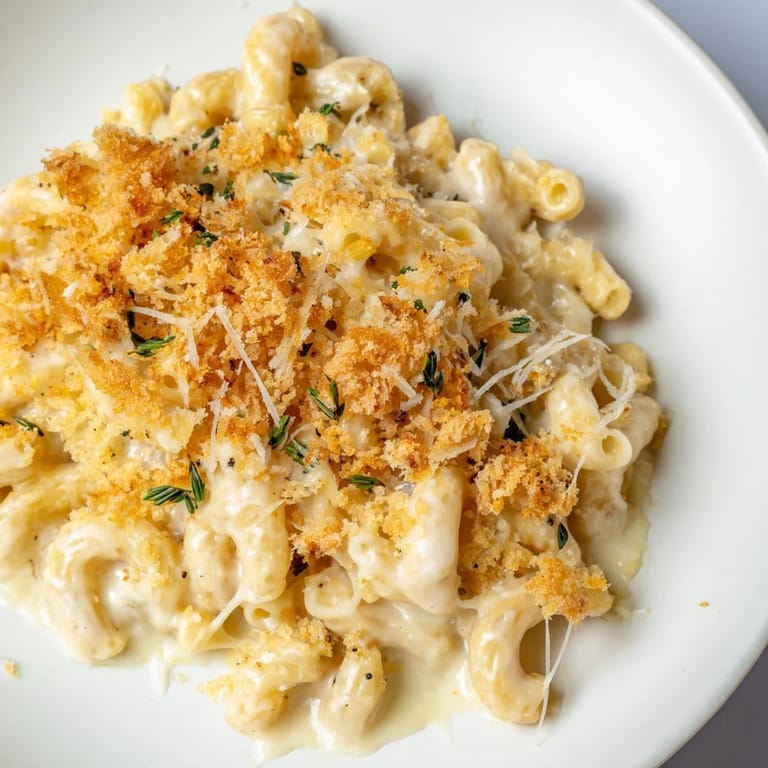
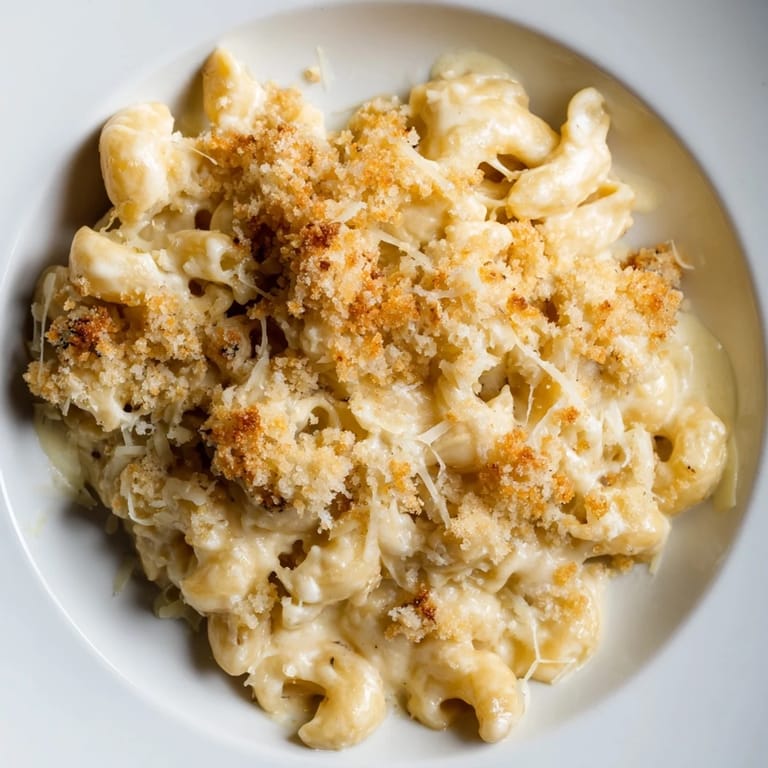
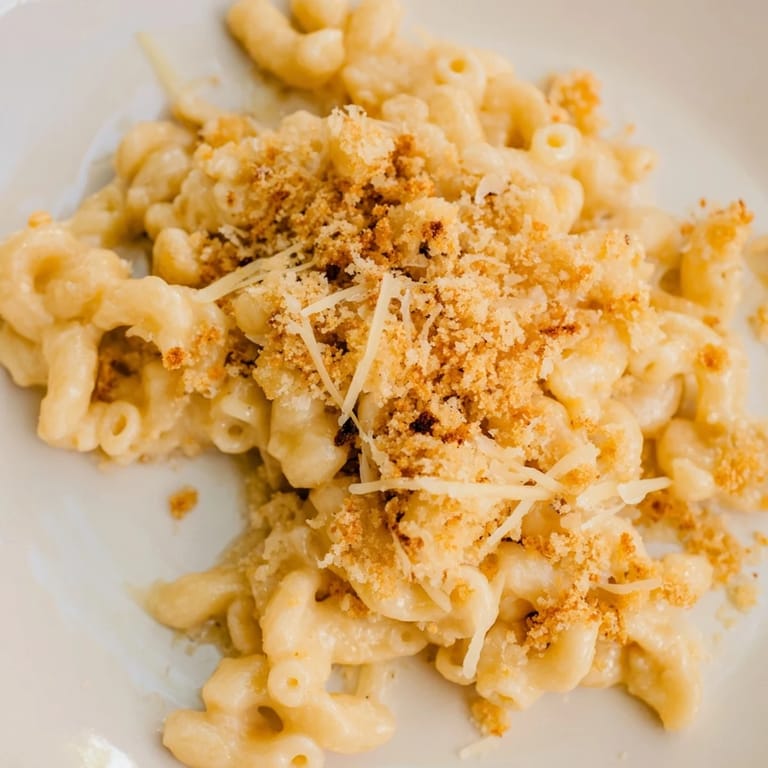
- Serve immediately if you want it luxuriously creamy, or pour into the baking dish and top with buttered breadcrumbs for a 20–25 minute bake until golden and bubbling. Either way, let it rest for a minute before eating so the sauce sets just enough.
 Save to Pinterest
 The best part about homemade mac and cheese is that moment when someone takes the first bite and their eyes go quiet for a second, like they're tasting something that matters. After that, it stops being just a dish and becomes part of how they remember eating with you.
Why Fresh Cheese Makes All the Difference
Pre-shredded cheese has anti-caking agents that keep it from melting quite as smoothly as freshly grated cheese, and once you've felt the difference in your sauce, you can't unfeel it. Standing at the grater for five minutes is a small price for sauce that tastes like actual cheese instead of something trying to be cheese. I learned this the hard way after my third batch still tasted slightly grainy, until someone asked if I'd used pre-shredded, and suddenly everything made sense.
Stovetop Versus Baked: How to Choose
Stovetop mac and cheese is ready in 20 minutes total and feels luxurious and saucy, perfect for weeknights when you want comfort without the wait. Baked mac and cheese takes an extra 25 minutes but gives you that crispy breadcrumb top and the satisfaction of pulling something golden from the oven—choose baked when you have a little more time and when you want something that photographs well.
Variations That Actually Work
Once you've nailed the basic version, it's fun to play—crispy bacon scattered on top, sautéed mushrooms folded in before baking, or blanched broccoli if you want to sneak vegetables past skeptics. The sauce is stable enough to carry other flavors without losing itself, which is why this dish has stayed relevant for so long.
- Bacon and jalapeño makes it feel smokier and more complex, almost like a loaded potato vibe.
- Mushrooms add umami depth that makes the cheese taste even richer than it actually is.
- Keep additions modest so the mac and cheese remains the star instead of becoming a soup of random things.
 Save to Pinterest
 This is the kind of dish that teaches you how technique matters—that butter and flour whisked together at the right temperature, milk added gradually, cheese added gently, all of it adds up to something better than the sum of its parts. Once you understand that, you can make it forever.
Recipe FAQs
- → What type of pasta works best?
Elbow macaroni is classic, but other short tubular pastas like cavatappi or shells also hold the sauce well.
- → How is the béchamel sauce made smooth?
Whisking the butter and flour before gradually adding warm milk and cream helps achieve a lump-free, creamy béchamel base.
- → Can I bake or serve it stovetop?
Yes, bake with a breadcrumb and Parmesan topping for a crispy crust or serve creamy directly from the stovetop.
- → What cheeses provide the best flavor?
Sharp cheddar, Gruyère, and Parmesan combine for a rich, balanced taste, but you can swap Gruyère with Monterey Jack or mozzarella.
- → How can I add extra ingredients?
Sautéed mushrooms, cooked bacon, or blanched broccoli can be folded in before serving or baking for added texture and flavor.
- → What tools are recommended?
A large pot for pasta, saucepan for sauce, whisk, grater, and baking dish if baking are essential for best results.