 Save to Pinterest
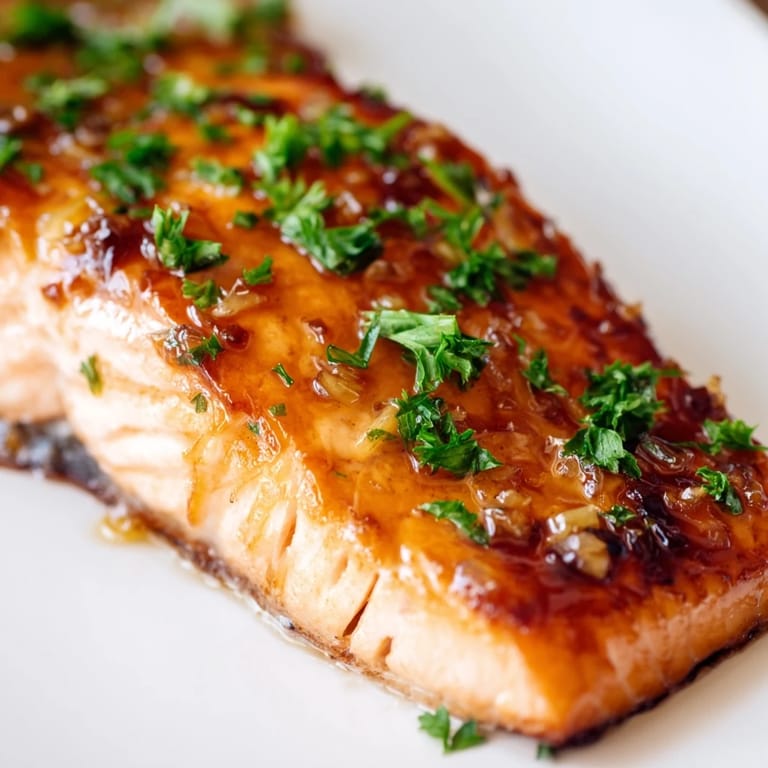
 My neighbor knocked on my door one Tuesday evening holding a grocery bag with four salmon fillets inside. She'd bought too many and didn't want them to go to waste. I had exactly twenty minutes before I needed to leave for a meeting, so I threw together honey, garlic, and butter without measuring anything. The smell that filled my kitchen in those fifteen minutes made me late on purpose.
I made this for my parents the weekend they visited last spring. My dad, who usually drowns fish in tartar sauce, ate his piece without reaching for a single condiment. My mom asked if I'd written the recipe down, which is her way of saying she wants to make it herself. That quiet approval meant more than any compliment.
Ingredients
- Salmon fillets: Skin-on fillets hold together better during roasting, but skinless work just as well if you prefer, and either way the flesh should look firm and bright, not dull.
- Salt and black pepper: A light seasoning before the glaze goes on helps the fish taste like itself instead of just tasting like sauce.
- Honey: This is what gives the glaze its shine and gentle sweetness, and it caramelizes beautifully under high heat without turning bitter.
- Unsalted butter: Melted butter carries the garlic flavor and adds richness that balances the honey, plus it helps the glaze cling to the salmon.
- Garlic: Fresh minced garlic is non-negotiable here, the jarred stuff just doesnt have the same punch or fragrance.
- Soy sauce: A small splash adds savory depth and a hint of umami that keeps the glaze from being one-dimensional, use tamari or coconut aminos if you need it gluten-free.
- Fresh lemon juice: Brightens everything and cuts through the richness so each bite feels clean and vibrant.
- Dijon mustard: Optional but wonderful, it adds a subtle tang and helps emulsify the glaze so it coats more evenly.
- Fresh parsley and lemon wedges: A sprinkle of green and a squeeze of citrus at the end make the dish feel finished and alive.
Tired of Takeout? 🥡
Get 10 meals you can make faster than delivery arrives. Seriously.
One email. No spam. Unsubscribe anytime.
Instructions
- Preheat and prep the tray:
- Set your oven to 200°C (400°F) and line a baking tray with parchment paper to make cleanup easy. If you skip the parchment, a light coating of oil will keep the fish from sticking.
- Season the salmon:
- Pat each fillet dry with paper towels, then arrange them on the tray and season both sides with a pinch of salt and a few grinds of black pepper. Drying the surface helps the glaze stick instead of sliding off.
- Make the glaze:
- In a small bowl, whisk together the honey, melted butter, minced garlic, soy sauce, lemon juice, and Dijon mustard until smooth and glossy. Taste it, if you want more sweetness or tang, adjust now before it hits the fish.
- Brush the fillets:
- Use a pastry brush to coat the top and sides of each salmon piece generously with the glaze, letting it pool slightly in any grooves. Save a spoonful of glaze to brush on halfway through if you like extra flavor.
- Roast until tender:
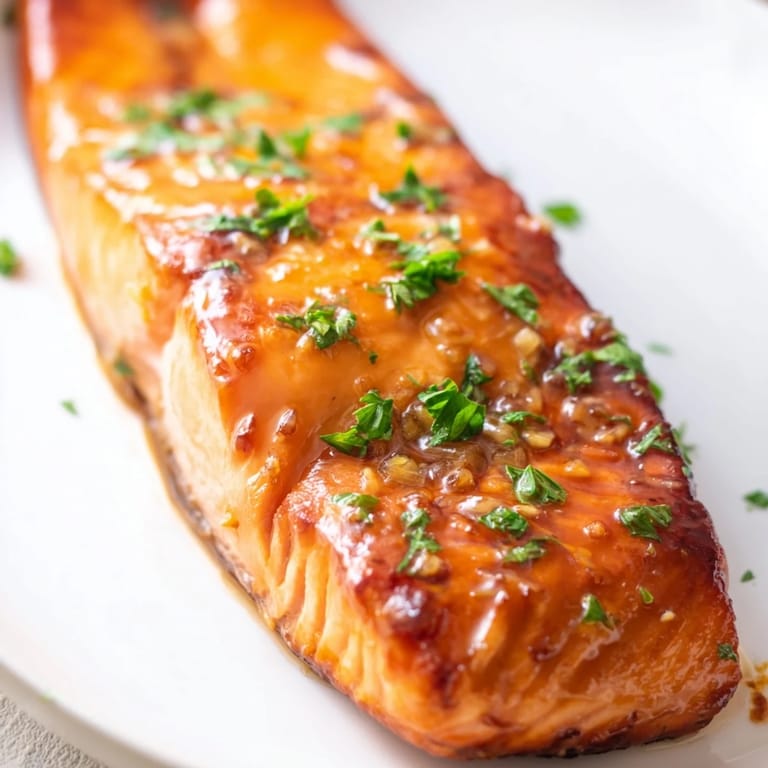
- Slide the tray into the oven and roast for 12 to 15 minutes, depending on thickness, until the salmon flakes easily with a fork and the glaze is bubbling. The edges should look caramelized and slightly golden.
- Optional broil for caramelization:
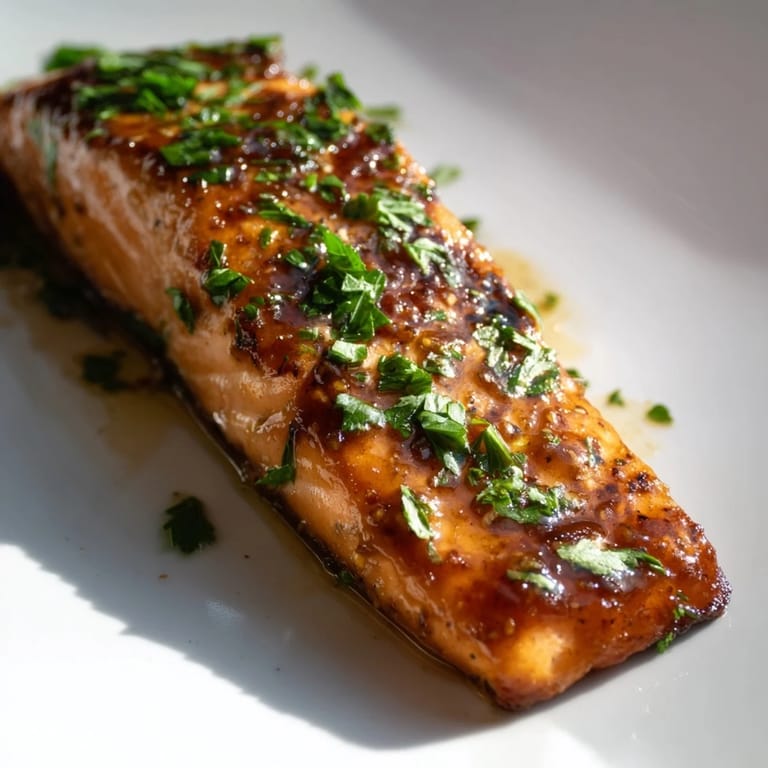
- If you want a deeper caramelized crust, switch the oven to broil for the last 1 to 2 minutes. Watch it closely, the sugars in the honey can burn fast.
- Finish and serve:
- Remove the tray from the oven, spoon any pan juices over the fillets, and scatter chopped parsley on top. Serve immediately with lemon wedges on the side for squeezing.
 Save to Pinterest
 The first time I served this at a small dinner party, someone asked if I'd trained as a chef. I laughed and told them I was just good at following my nose and trusting butter. But the truth is, this dish makes anyone look like they know what theyre doing, and that kind of kitchen confidence is worth bottling.
Choosing Your Salmon
I always look for fillets that are evenly thick so they cook at the same rate, and I press gently on the flesh to make sure it springs back. Wild-caught salmon has a leaner texture and deeper flavor, while farmed is fattier and more forgiving if you accidentally overcook it. Either works beautifully here, just buy what looks freshest and fits your budget.
Glaze Variations That Work
If you want a little heat, whisk in a pinch of crushed red pepper flakes or a drizzle of sriracha with the honey. Maple syrup can replace the honey for a more earthy sweetness, and a teaspoon of grated fresh ginger adds a warm, spicy note that pairs especially well with the garlic. I've also stirred in a splash of orange juice instead of lemon when I wanted something a little softer and sweeter.
Serving and Pairing Ideas
This salmon sits beautifully on a bed of jasmine rice or quinoa, and roasted asparagus or broccolini on the side soaks up the extra glaze perfectly. A simple arugula salad with a lemon vinaigrette keeps things light, or you can go heartier with garlic mashed potatoes if you want comfort. Whatever you choose, make sure theres something to catch all those sweet, sticky pan juices.
- Steamed green beans tossed with a little butter and lemon zest echo the brightness of the glaze.
- Roasted sweet potatoes add a earthy sweetness that complements the honey without competing.
- A chilled white wine like Sauvignon Blanc or a light Pinot Grigio cuts through the richness beautifully.
 Save to Pinterest
 This recipe taught me that elegance doesnt require complexity, just good ingredients and a little heat. I hope it becomes one of those dishes you reach for when you want to feel capable and feed people something that tastes like you care.
Recipe FAQs
- → How do I know when the salmon is perfectly cooked?
The salmon is done when it flakes easily with a fork and reaches an internal temperature of 63°C (145°F). The flesh should be opaque throughout with no translucent areas.
- → Can I prepare the glaze in advance?
Yes, you can whisk the glaze together up to 2 hours ahead and store it in the refrigerator. Bring it to room temperature and stir well before brushing onto the salmon.
- → What's the best way to prevent the glaze from burning?
Watch the salmon carefully during roasting and the final broil step. If the glaze begins browning too quickly, cover loosely with foil. Use broil only for 1-2 minutes at the end for light caramelization.
- → Is this suitable for gluten-free diets?
Yes, when using gluten-free soy sauce. Always check all ingredient labels carefully, particularly the soy sauce and Dijon mustard, to ensure they meet gluten-free standards.
- → What vegetables pair well with this dish?
Roasted asparagus, broccoli, Brussels sprouts, or green beans complement this beautifully. Alternatively, serve with steamed rice, quinoa, or a fresh garden salad to balance the rich glaze.
- → Can I use frozen salmon fillets?
Thaw frozen salmon completely in the refrigerator overnight before cooking for even roasting. Pat dry thoroughly before seasoning and glazing to ensure proper caramelization.