 Save to Pinterest
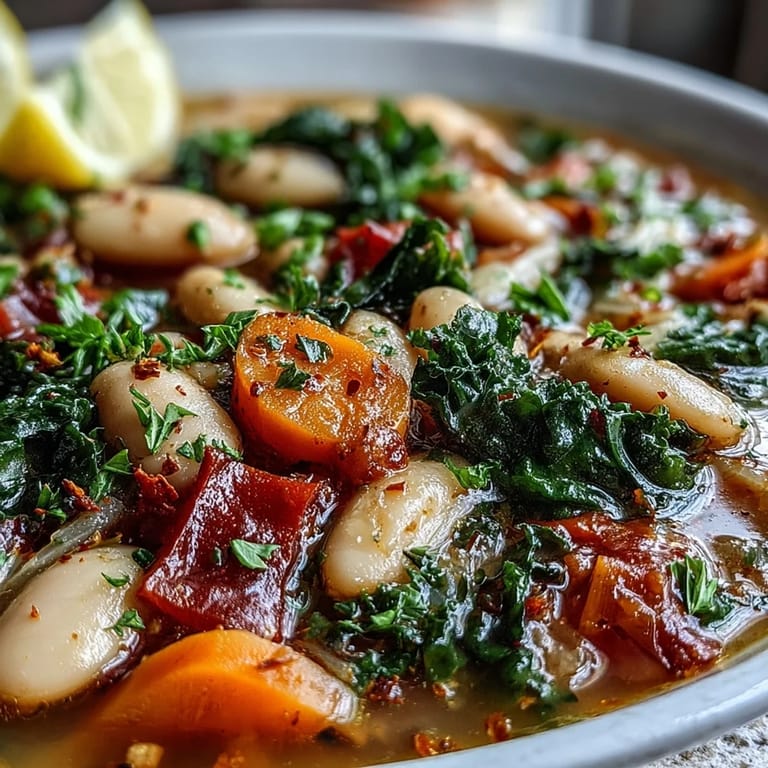
 My neighbor Maria stopped by one October afternoon with a container of this stew, still steaming, and I watched her face light up as I tasted that first spoonful. The way the cumin and paprika melded with the earthy beans felt like she'd captured something essential about her grandmother's kitchen in southern Greece. I asked for the recipe that very evening, and she laughed, saying it wasn't fancy or complicated, just honest food that somehow tasted like it had been simmering for hours even though it takes barely fifty minutes. Since then, I've made it dozens of times, each batch a little different depending on what's in my crisper drawer, but always with that same warm, grounding quality.
I served this stew to my book club one rainy November evening, and someone asked if I'd made it for hours while we weren't looking. That compliment stuck with me because it's the opposite of what's actually happening, which makes it feel like a small kind of magic. The room smelled incredible, everyone had seconds, and for the first time in months, nobody was scrolling their phone between chapters. Food that brings people fully present like that deserves to be made more often.
Ingredients
- Extra-virgin olive oil (2 tablespoons): This is your foundation, so use the good stuff, the kind that tastes peppery and grassy, because it actually matters in a simple dish like this.
- Yellow onion (1 medium, diced): The base of almost everything worth eating, and dicing it into roughly consistent pieces means it softens evenly without turning to mush.
- Garlic cloves (3, minced): One minute of cooking is all it needs, just until your kitchen smells absolutely irresistible, then move forward before it starts to brown.
- White beans (2 cans, drained and rinsed): Rinsing them under cold water removes the starchy liquid that clouds your broth, making everything taste cleaner and brighter.
- Low-sodium vegetable broth (4 cups): This amount keeps the stew brothy rather than thick, which feels more authentic to Mediterranean cooking.
- Diced tomatoes (1 cup, canned or fresh): If using canned, San Marzano varieties tend to have better flavor and less acidity, a small detail that rounds out the whole dish.
- Carrots (2 medium, sliced): Cutting them on a slight diagonal gives more surface area for the broth to embrace, and they become almost sweet as they soften.
- Red bell pepper (1, diced): The color matters for your soul as much as your plate, plus the pepper adds a gentle sweetness that balances the cumin.
- Kale or spinach (2 cups, chopped): I prefer kale for its sturdiness, but spinach wilts in a heartbeat and feels lighter if that's what you're drawn to.
- Ground cumin (1 teaspoon): The warm, slightly nutty backbone of this stew, and it's worth smelling it before adding to remind yourself why you love this spice.
- Smoked paprika (1 teaspoon): This adds depth without heat, a whisper of campfire and wood smoke that transforms everything around it.
- Ground coriander (1/2 teaspoon): A subtle citrusy note that most people can't quite name but absolutely notice when it's missing.
- Dried oregano (1/2 teaspoon): Mediterranean herbs are the throughline here, so don't skip this even though it seems small.
- Crushed red pepper flakes (1/4 teaspoon, optional): I always add mine because a whisper of heat brings all the other flavors into sharper focus, but honor your own tolerance.
- Salt and freshly ground black pepper (to taste): Always finish seasoning at the end when you can actually taste what you're making.
- Fresh parsley (2 tablespoons, chopped): The garnish feels essential, a bright green promise that this meal is intentional and complete.
- Lemon wedges (for serving): A squeeze of lemon at the table opens everything up in the most unexpected way.
Tired of Takeout? 🥡
Get 10 meals you can make faster than delivery arrives. Seriously.
One email. No spam. Unsubscribe anytime.
Instructions
- Start with warmth and patience:
- Heat your olive oil in a large pot over medium heat until it's loose and shimmering but not smoking. This takes about a minute, and you'll notice the oil smells alive and grassy once it's ready.
- Build your base:
- Add the diced onion and let it sit, stirring occasionally, for about 4 to 5 minutes until it becomes translucent and soft at the edges. This isn't the time to rush; the onion's sweetness needs time to emerge.
- Add the garlic moment:
- Stir in your minced garlic and immediately feel the shift as your entire kitchen fills with that unmistakable aroma. Let it cook for exactly one minute, no more, then move forward before it turns bitter.
- Bring in color and crunch:
- Add the sliced carrots and diced red bell pepper, stirring occasionally for about 3 to 4 minutes. Watch as the pepper begins to soften at the edges and the whole pot starts to look like something worth eating.
- Toast the spices:
- Sprinkle in your cumin, smoked paprika, coriander, oregano, and red pepper flakes, stirring everything together so the spices coat all the vegetables. You'll feel the heat activate them, releasing their essential oils and fragrance.
- Introduce the main players:
- Add your drained beans, diced tomatoes, and vegetable broth all at once, then bring everything to a gentle boil. You'll see the liquid climb and the vegetables begin to bob around in this warm, spiced embrace.
- Let it simmer:
- Reduce the heat to low, cover your pot, and let it bubble softly for 20 minutes while the flavors find each other. Resist the urge to check constantly; the covered pot is doing exactly what it needs to do.
- Finish with greens:
- Stir in your kale or spinach and cook uncovered for another 2 to 3 minutes, watching it transform from crisp and curled to tender and dark. This last addition adds something alive to the stew right at the end.
- Taste and adjust:
- Season with salt and freshly ground black pepper to your preference, remembering that lemon wedges will add brightness at the table. This is your moment to make it exactly right for your own palate.
- Serve with intention:
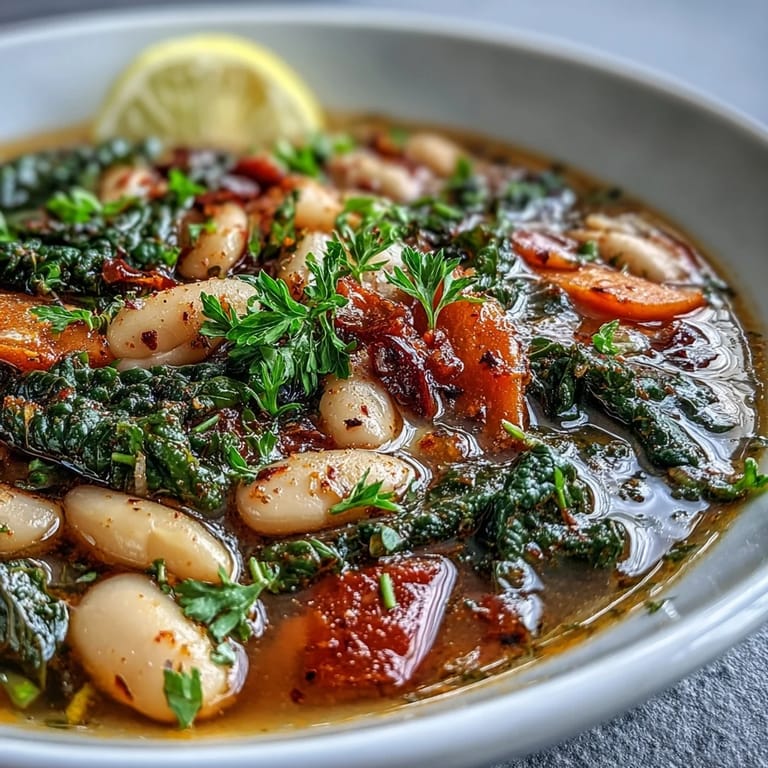
- Ladle the stew into bowls with enough broth to make each spoonful rewarding, then scatter fresh parsley on top and set a lemon wedge on the rim. Invite people to squeeze the lemon as they eat, watching the whole dish transform with that final citrus gift.
 Save to Pinterest
 There's something about ladling this stew into a bowl on an ordinary Tuesday that transforms that Tuesday into something quieter and more nourishing. My daughter now asks for it by name, and I've started keeping the ingredients on hand for moments when life feels scattered and we all need to be brought back together around something warm.
The Art of the Simmer
The covered pot is where the real cooking happens, and it's easy to overlook because nothing dramatic is occurring on the surface. Those twenty minutes allow the beans to soften further, the vegetables to become almost tender enough to dissolve, and all those separate spices to blur into something that tastes like it's been cooking all day. The steam trapped under the lid keeps everything moist and prevents the flavors from scattering into the air instead of staying in your bowl.
Customizing Without Losing the Soul
I've made this stew with Swiss chard instead of kale, added chickpeas alongside the white beans, even swapped the red pepper for orange on a whim, and each version still feels essentially like itself. The cumin and paprika are the real constants here, the flavor anchors that keep everything grounded even as you improvise with what you have. What matters most is respecting the basic technique, the building of flavors one element at a time, rather than treating any single ingredient as completely irreplaceable.
Why This Meal Feels Like More Than Just Dinner
Somewhere between the spice-toasting and the final squeeze of lemon, this stew stopped being a recipe for me and became a way of saying I care about how you feel tonight. It's the kind of meal that fits into almost any conversation about food philosophy because it's naturally vegetarian, naturally healthful, and naturally delicious without any of that feeling like sacrifice. This isn't fancy cooking, but it's thoughtful cooking, and that distinction matters more than we usually admit.
- Make a double batch and freeze half in individual containers for moments when you need comfort without effort.
- Serve it over farro or brown rice if you want it to feel more substantial, or with crusty bread for dipping into the broth.
- Leftovers actually taste better the next day as the flavors continue settling into each other, so embrace that excuse to make it ahead.
 Save to Pinterest
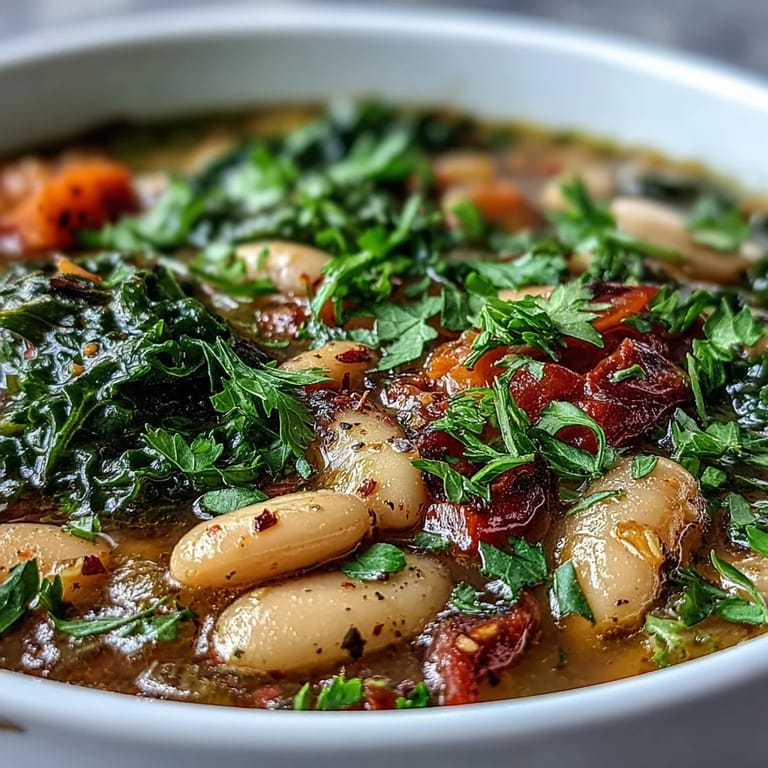
 This stew has become my answer to so many different questions, whether someone asks what's for dinner or what to make when you want to feel grounded. Make it once, and I promise you'll find yourself reaching for it again.
Recipe FAQs
- → Can I use dried beans instead of canned?
Yes, soak 1 cup dried beans overnight, then cook them in fresh water for 60-90 minutes until tender before adding to the stew. Adjust the broth amount as needed.
- → How long does this stew keep in the refrigerator?
Store in an airtight container for up to 5 days. The flavors continue to develop, making it even better the next day.
- → Can I freeze this Mediterranean stew?
Absolutely. Portion into freezer-safe containers and freeze for up to 3 months. Thaw overnight in the refrigerator before reheating.
- → What can I serve with this stew?
Crusty bread, over farro or brown rice, or with a simple green salad. A drizzle of high-quality olive oil and fresh lemon brighten the flavors.
- → Is this stew suitable for meal prep?
Perfect for batch cooking. Make a double batch and portion into containers for easy lunches throughout the week. Reheat gently on the stove.
- → Can I make this stew in a slow cooker?
Sauté onions and garlic first, then add all ingredients to the slow cooker. Cook on low for 6-7 hours or high for 3-4 hours. Add kale in the last 30 minutes.