 Save to Pinterest
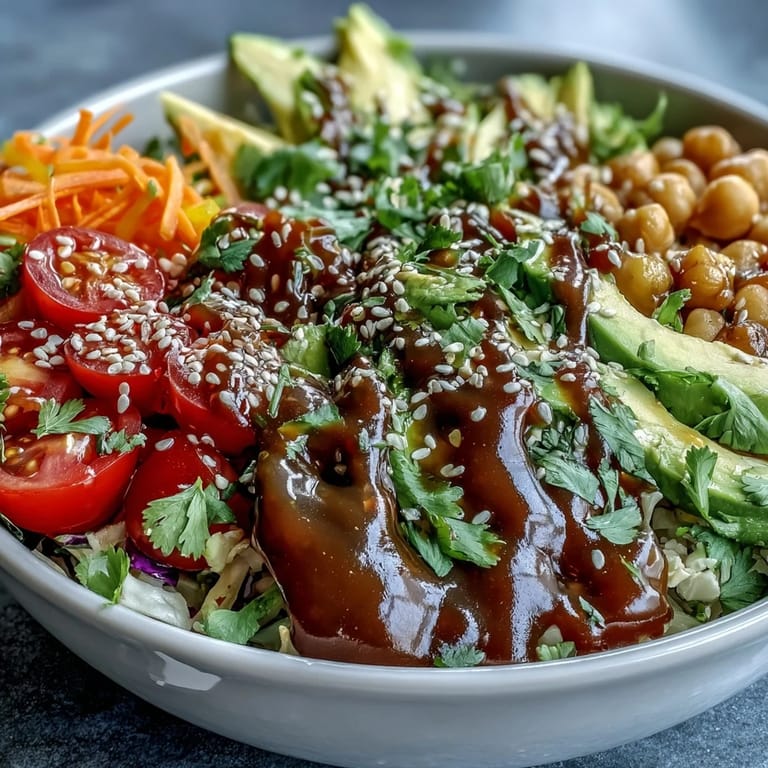
 My sister showed up at my apartment on a Tuesday with a mason jar of homemade sesame ginger dressing and said, "You need to stop ordering sad desk salads." She stayed for twenty minutes, arranged vegetables in my bowl like she was composing a painting, and somehow made me understand that a salad could be exciting. That bowl changed how I think about lunch—it became less about obligation and more about creating something I actually wanted to eat.
I brought these bowls to a potluck once and watched people who claimed to hate salad actually go back for seconds. Someone asked for the dressing recipe, and I realized that's when a dish stops being just food and becomes something people ask you to make again and again.
Ingredients
- Brown rice or quinoa: Choose quinoa if you want it done in fifteen minutes and prefer a lighter texture, or go with brown rice if you like something more substantial and earthy.
- Cherry tomatoes: Halving them makes them release their juice into the bowl, creating little pockets of brightness that deserve respect.
- Red cabbage: Raw and shredded thin, it stays crisp for days and adds a peppery bite that keeps everything from feeling too soft.
- Carrots: Shred them on a box grater so they're delicate enough to absorb dressing but sturdy enough to hold their shape.
- Yellow bell pepper: Thin slices let you taste the sweetness without the crunch overwhelming your other vegetables.
- Broccoli florets: A quick steam softens them just enough to eat without teeth-fighting, but raw works too if you're in a hurry.
- Avocado: Slice it last and add it right before eating, otherwise it'll turn that sad gray-green color that makes everything look disappointed.
- Chickpeas: Canned and rinsed, they add protein and an earthiness that makes this bowl feel complete.
- Sesame seeds: Toast them yourself if you can, or buy them pre-toasted for that deep nutty flavor that makes people ask what you did differently.
- Fresh cilantro or parsley: This isn't decoration—it's the freshness that makes you taste every component separately instead of blending into mush.
- Toasted sesame oil: The dark kind, not the light stuff, because this is where most of the flavor lives and you deserve better than half measures.
- Tamari or soy sauce: Tamari keeps it gluten-free and tastes cleaner somehow, less salty and more intentional.
- Rice vinegar: Gentler than regular vinegar, it adds brightness without the harsh edge that makes you wince.
- Maple syrup or honey: A touch of sweetness balances the ginger's heat and brings everything into harmony.
- Fresh ginger: Peel it with a spoon so you waste less, and grate it right before mixing so you get all those tiny fibers that carry the flavor.
- Lime juice: Fresh lime matters here more than anywhere else—bottled lime juice tastes like regret in a plastic bottle.
Tired of Takeout? 🥡
Get 10 meals you can make faster than delivery arrives. Seriously.
One email. No spam. Unsubscribe anytime.
Instructions
- Start your grains with intention:
- Rinse your brown rice or quinoa under cold water, watching the water go from cloudy to clear—that's the starch washing away. Bring it to a boil, then lower the heat and let it simmer covered, and you'll have perfectly tender grains in about twenty minutes.
- Work through your vegetables while things cook:
- Wash everything, get your cutting board set up, and move through each vegetable methodically. Your hands get a rhythm going, and suddenly you have a pile of rainbow pieces ready to go.
- Build the dressing in a small bowl:
- Whisk together the sesame oil, tamari, rice vinegar, maple syrup, ginger, garlic, and lime juice until they're unified and glossy. Taste it and adjust—too sharp, add a touch more maple syrup; too heavy, add more lime juice.
- Handle the broccoli as you prefer:
- Drop the florets in simmering water for three minutes if you want them tender, or leave them raw if you want that satisfying crunch that resists your teeth.
- Arrange your bowls like they matter:
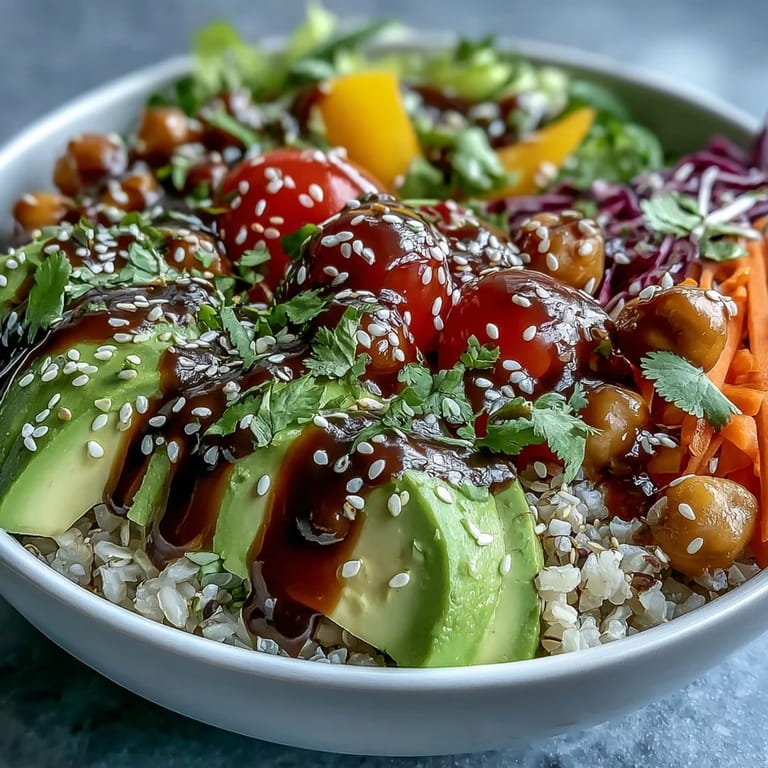
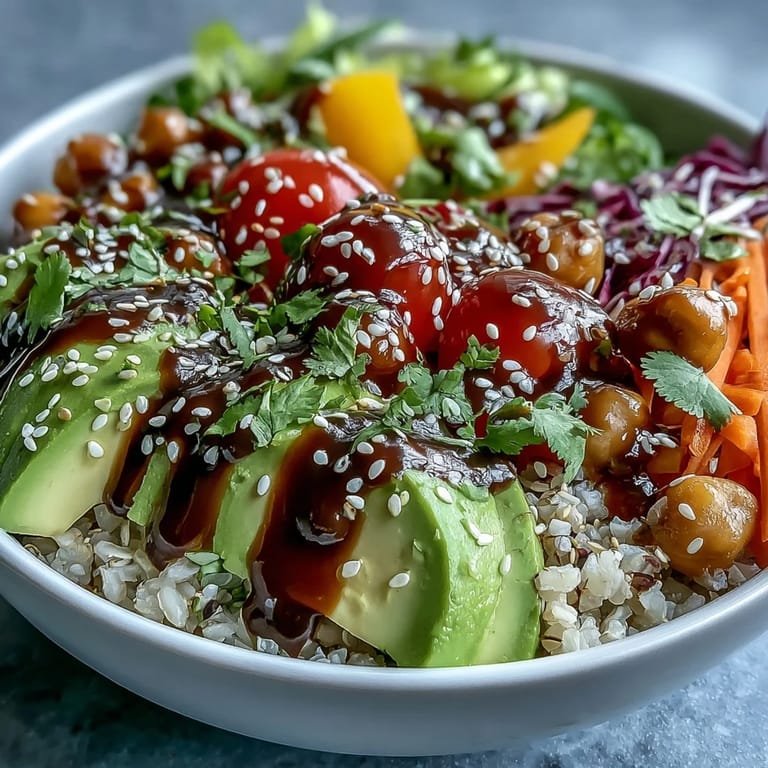
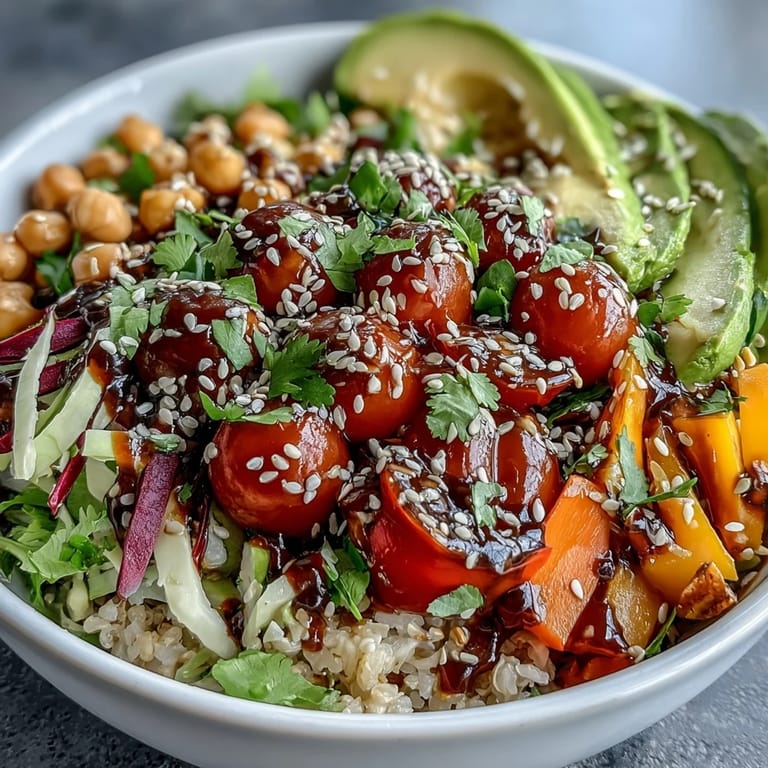
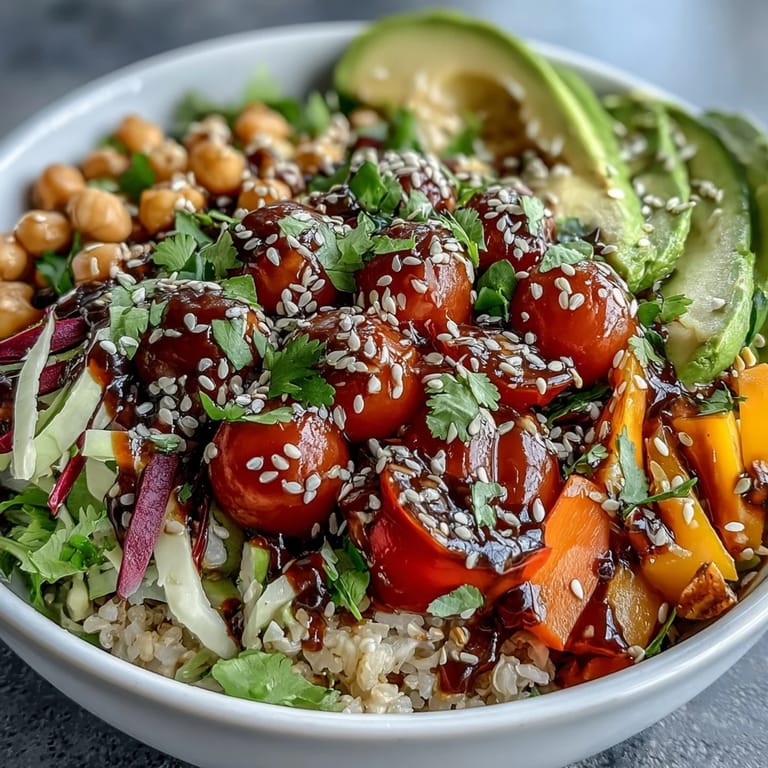
- Divide the warm grains among four bowls, then nestle your vegetables into sections around the edge. This isn't just prettier—it means you get a bit of everything in each spoonful.
- Dress it generously and finish strong:
- Pour that dressing over everything like you mean it, then scatter sesame seeds, cilantro, and green onions across the top. Serve right away before the warm grain and cool vegetables have time to have an identity crisis.
 Save to Pinterest
  Save to Pinterest
 There's a moment when you first bite into a properly assembled bowl where all the flavors come together—the warmth of the grain, the cool vegetables, that sesame ginger dressing tying everything into one complete thought. That's the moment that makes you understand why people become devoted to eating bowls like these.
The Dressing Is Everything
I learned this the hard way by making beautiful bowls with sad, underseasoned dressing and wondering why nobody got excited about them. The dressing isn't a topping—it's the reason people come back. That balance of sesame, ginger, acid, and salt is what transforms vegetables from something you eat because you should into something you crave at your desk the next day.
How to Make This Your Own
The beauty of this bowl is that it adapts to whatever you have growing in your garden or sitting in your crisper drawer. Swap the bell pepper for cucumber, replace broccoli with green beans, use radishes if you want something peppery. The structure stays the same, but the personality changes every time you make it.
Make It Your Protein
Chickpeas are quiet and dependable, but this bowl welcomes other proteins without complaint. Grilled tofu cubes soak up the dressing beautifully, tempeh adds a nutty depth, and if you eat fish, some seared salmon transforms it into something entirely different.
- Crumble baked tofu across the top for a chewy texture that holds up to the dressing.
- Toss chickpeas in a bit of extra dressing before adding them so they're seasoned all the way through.
- Cook extra protein on Sunday and keep it in the fridge so assembly becomes five minutes of pure assembly.
 Save to Pinterest
  Save to Pinterest
 This bowl fed me through countless work weeks and became the meal I reached for when I needed to feel like I was taking care of myself. There's something nourishing about that, beyond just the vegetables.
Recipe FAQs
- → Can I make this buddha bowl ahead for meal prep?
Yes, cook grains and chop vegetables up to 3 days in advance. Store dressing separately and add just before serving to maintain freshness and crunch.
- → What can I substitute for chickpeas?
Try grilled tofu, tempeh, black beans, or edamame for variety. Each adds protein while complementing the colorful vegetables and sesame ginger flavors.
- → How do I store leftover sesame ginger dressing?
Keep in an airtight container in the refrigerator for up to one week. Whisk before using as ingredients may separate when chilled.
- → Can I use different grains as a base?
Absolutely. Quinoa, farro, bulgur, or cauliflower rice all work well. Adjust cooking times according to package instructions for each grain.
- → Is this dish suitable for vegans?
Yes, when using maple syrup instead of honey in the dressing, this bowl is completely vegan and plant-based while being gluten-free with tamari.
- → What vegetables work best in this bowl?
Choose colorful, crunchy vegetables like purple cabbage, orange carrots, red peppers, and green broccoli. The variety creates visual appeal and diverse nutrients.